


Crisp, ironed bed linen looks flawless, no question. But is ironing actually necessary, or is it enough to take the set out of the dryer at the right moment? The answer depends heavily on the material: linen is meant to wrinkle, cotton sateen looks shinier when ironed, and microfiber stays smooth on its own. This guide explains which fabrics genuinely benefit from the iron, what temperatures make sense, and which simple tricks can save you the effort without leaving your bed linen crumpled in the closet.
Why some people iron bed linen - and others don't
For many people, ironed bed linen evokes the feel of a well-kept hotel bed: smooth pillowcases, a flawlessly laid top sheet, not a wrinkle in sight. For others, ironing is simply a time investment that everyday life doesn't allow for. Both attitudes make sense, because whether ironing makes any visible difference at all depends almost entirely on the fabric. How much it actually matters in practice varies considerably from fabric to fabric - the sections below break this down in detail.
Which materials wrinkle heavily - and which barely at all?
Cotton: percale, sateen, and renforcé
Percale is woven densely and smoothly, but it still wrinkles noticeably with normal use, especially after tumble drying. Cotton sateen, recognizable by its slight sheen, shows creases even more clearly, because the smooth weave reflects light unevenly. Renforcé, a simple plain weave, is somewhat more resistant to creasing but doesn't stay completely smooth without ironing.
Linen: wrinkles as part of the look
Linen fibers are naturally stiffer and less elastic than cotton, which gives the fabric its characteristic, slightly rough hand feel - and creases that even ironing won't permanently smooth out. In interior design and fashion, these wrinkles are now seen as a design feature rather than a flaw. People who iron linen bed linen usually do it for a temporarily smoother look right after making the bed, not to keep the material permanently crease-free.
Microfiber and synthetics: easy-care by nature
Synthetic fibers such as polyester or microfiber are thermoplastic and return to a relatively smooth shape on their own after drying. Ironing is unnecessary in most cases here, and at too high a temperature there's even a risk of damaging the fiber surface.
Ironing or not: what actually makes a difference
The effect of ironing shows up mainly in three areas: appearance, hand feel, and storage. Smoothly ironed bed linen lies wrinkle-free on the mattress and looks tidier as a result. With sateen, ironing also enhances the sheen the fabric already has. In terms of hand feel itself, ironing changes little - percale fresh out of the closet feels similar to freshly ironed percale; the difference lies in the drape, not the texture. For storage in the closet, the rule is: neatly folded bed linen, smoothed while still slightly damp, takes up less space and is less likely to smell musty when unpacked, because the fibers lie closer together.
How to iron correctly, if you decide to
The ironing temperature depends on the fiber, not the pattern or the brand. As a rough guide, similar to what's shown on care labels with the familiar ironing symbols:
- Cotton: medium to high temperature, about 150-200 °C, ideally slightly damp or with a burst of steam
- Linen: high temperature up to about 230 °C, also best done damp, since dry linen is harder to smooth out
- Cotton-polyester blends: medium temperature, about 110-150 °C
- Pure synthetics like microfiber: low temperature, below 110 °C, without steam
Iron sateen fabric from the reverse side, so the shiny surface doesn't go dull from direct contact with the hot soleplate. The same rule applies to printed bed linen, to protect the colors.
Alternatives to ironing
If you'd rather skip ironing, the right drying technique can achieve a lot. Folding bed linen tightly while it's still warm, straight out of the dryer, smooths many fibers on its own, because they're still pliable while warm. When air-drying on a line, it helps to shake the sheet out firmly before hanging it and pull the edges straight. If you want to play it safe, choose a material that wrinkles little from the start - microfiber or densely woven cotton qualities are less fuss in everyday use than classic linen fabric.
Ironability by Material
| Material | Wrinkle Tendency | Ironing Recommendation | Guideline Temperature |
|---|---|---|---|
| Cotton (Percale/Renforcé) | medium to high | optional, for a smoother look | 150–200 °C |
| Cotton Sateen | medium | recommended for more sheen | 150–180 °C, iron from the reverse side |
| Linen | high (intentional look) | usually not necessary | up to 230 °C, iron while damp |
| Microfiber/Synthetics | low | generally unnecessary | below 110 °C, no steam |
Matching products
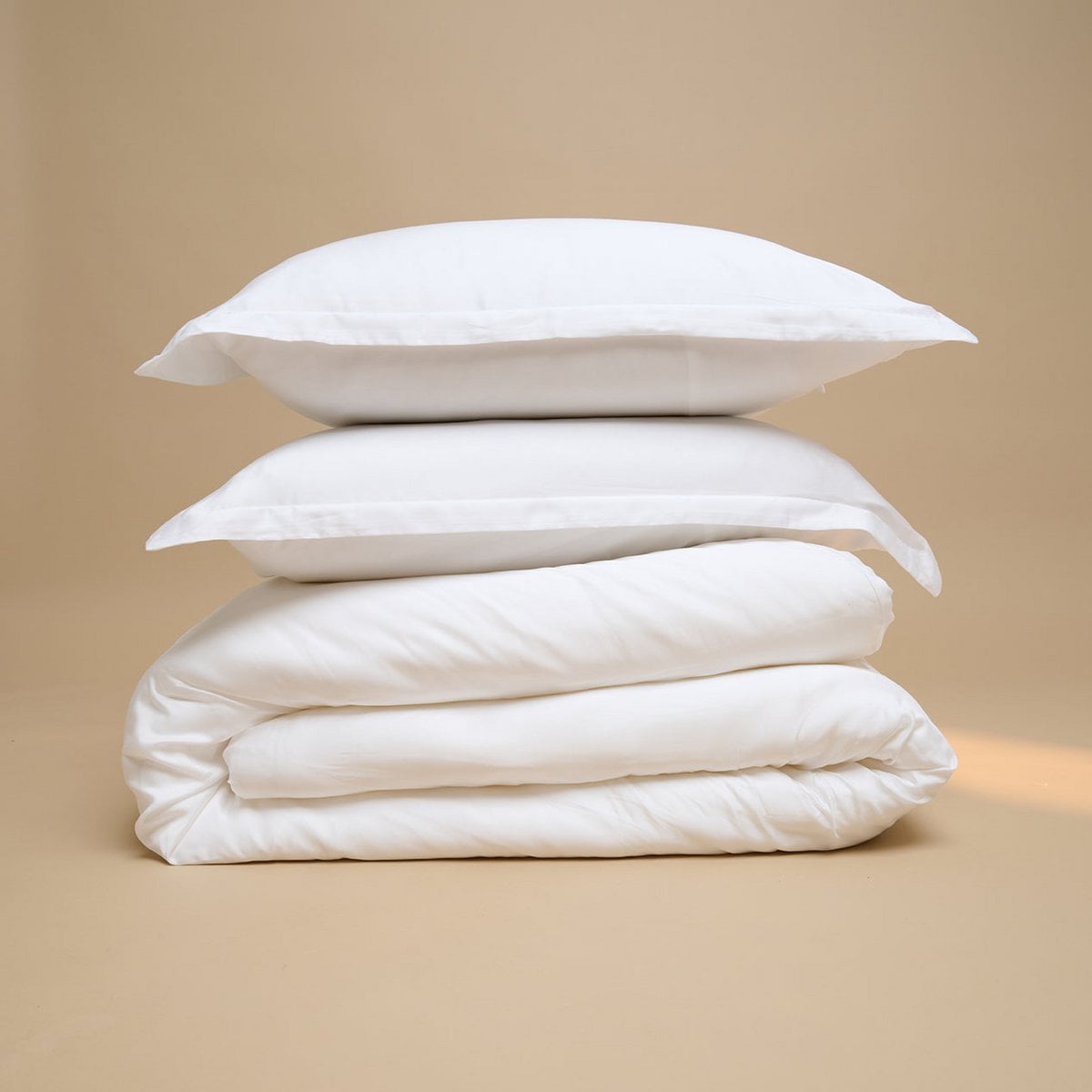
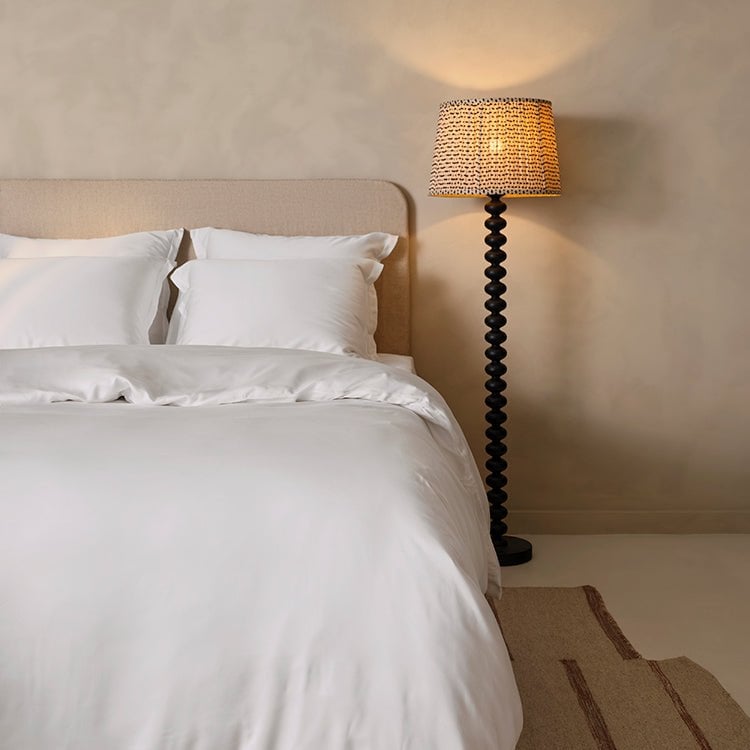
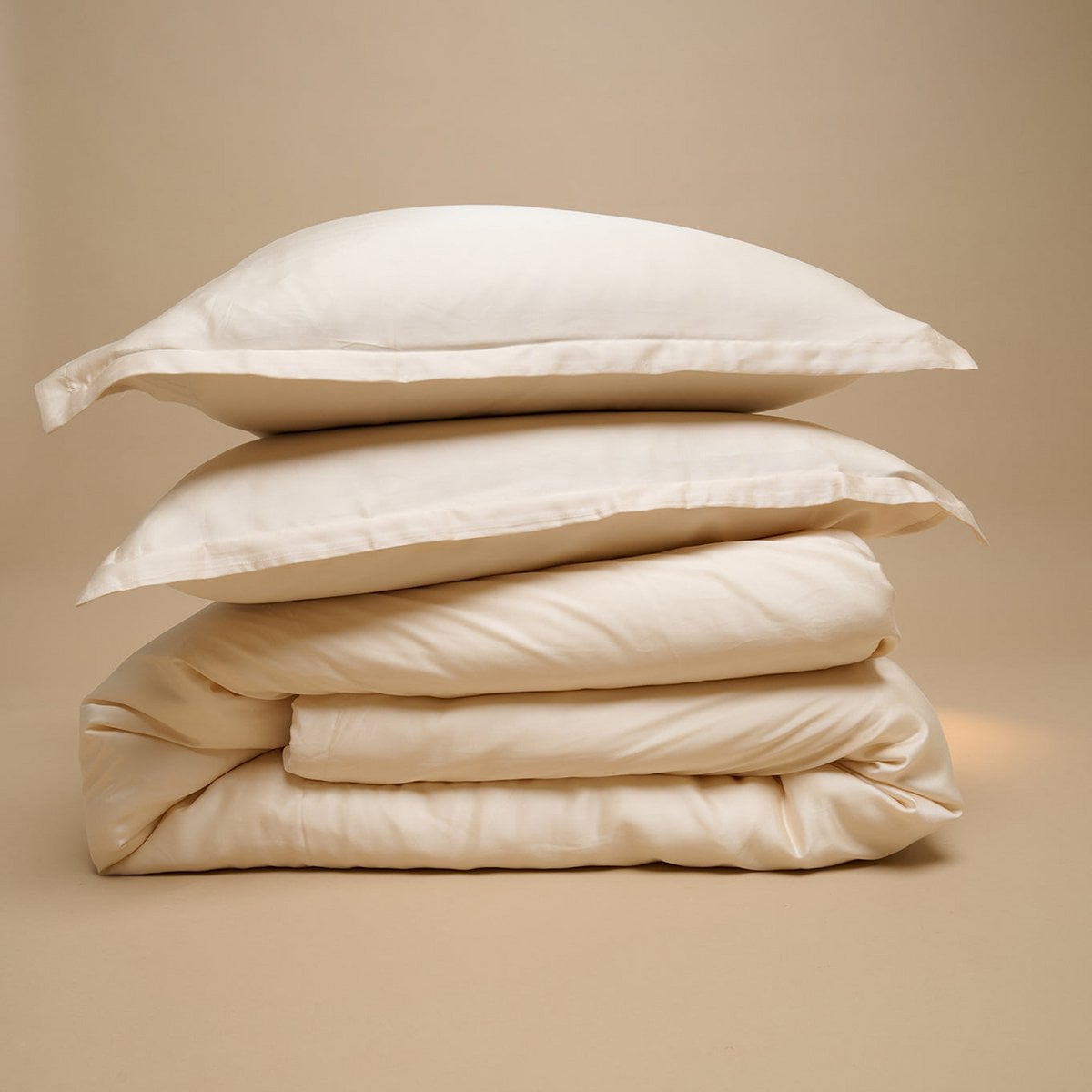
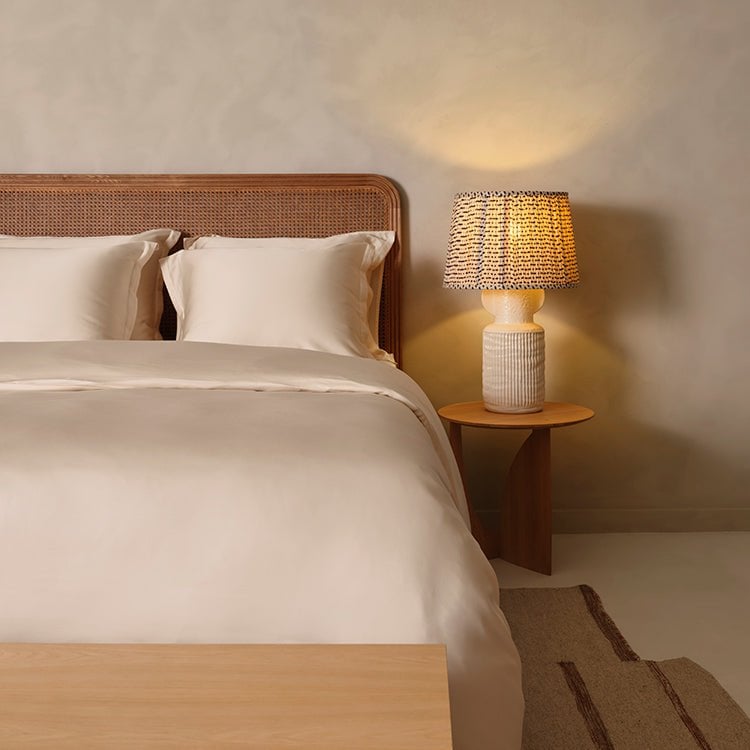
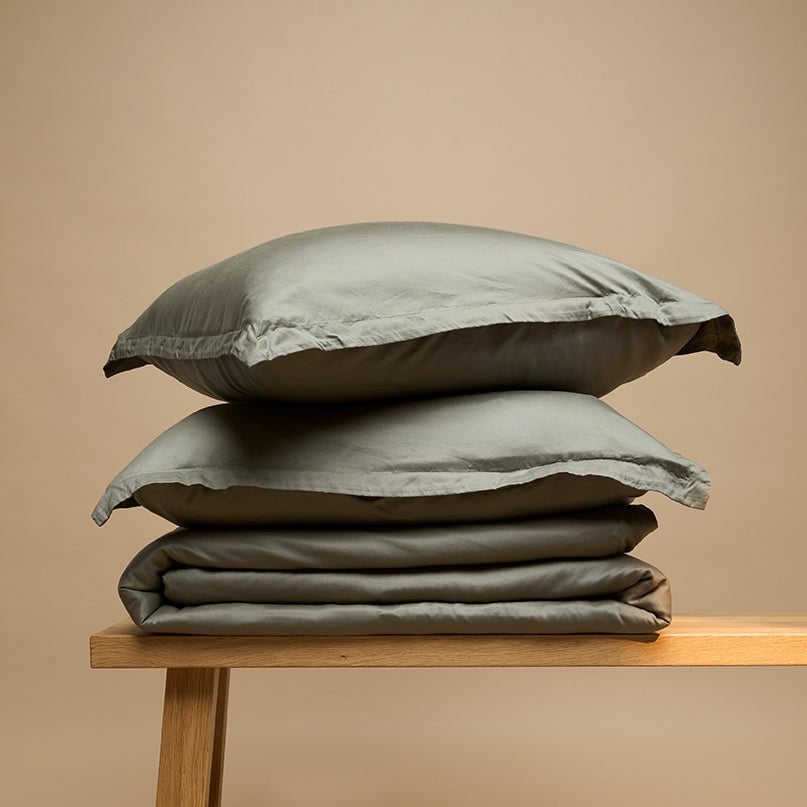
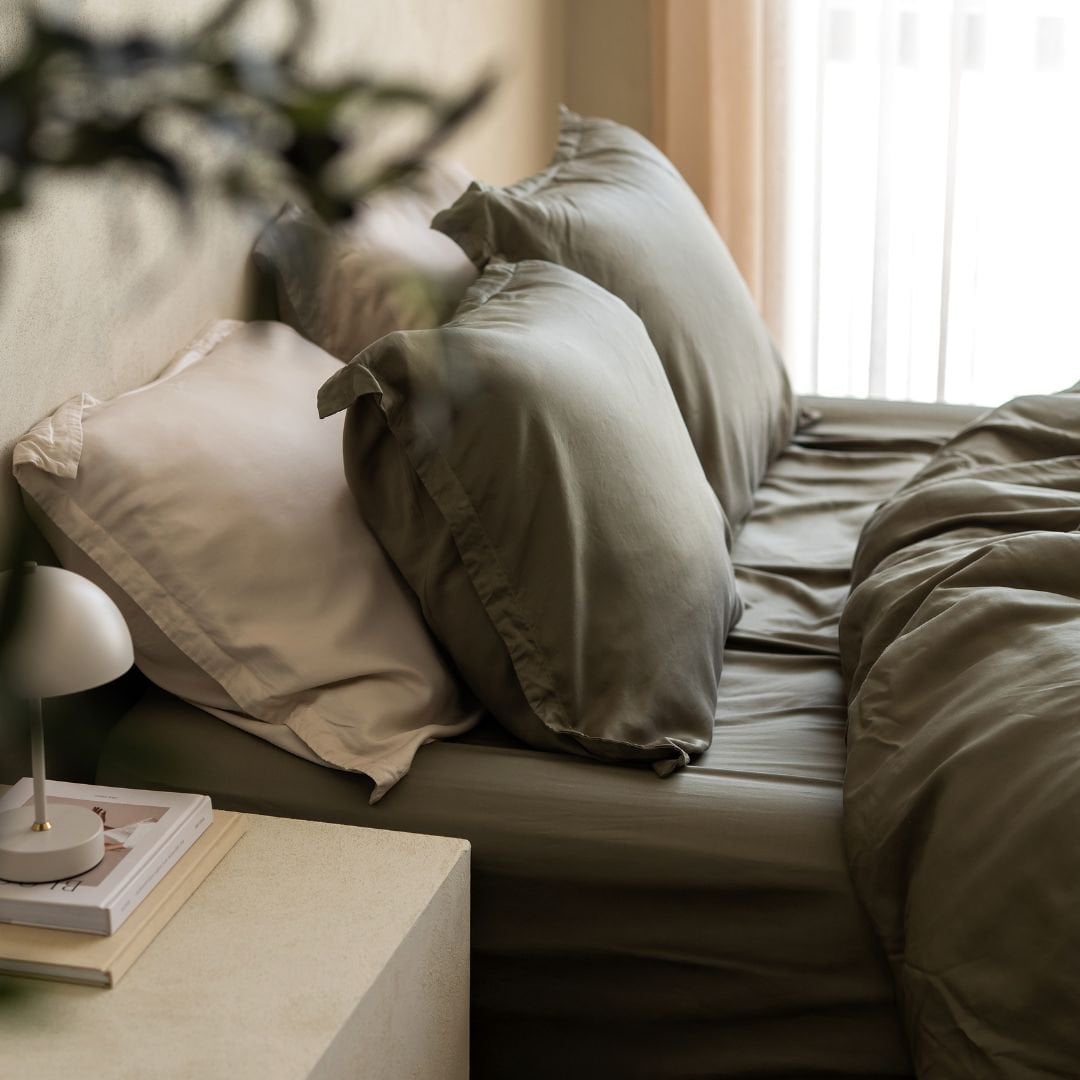
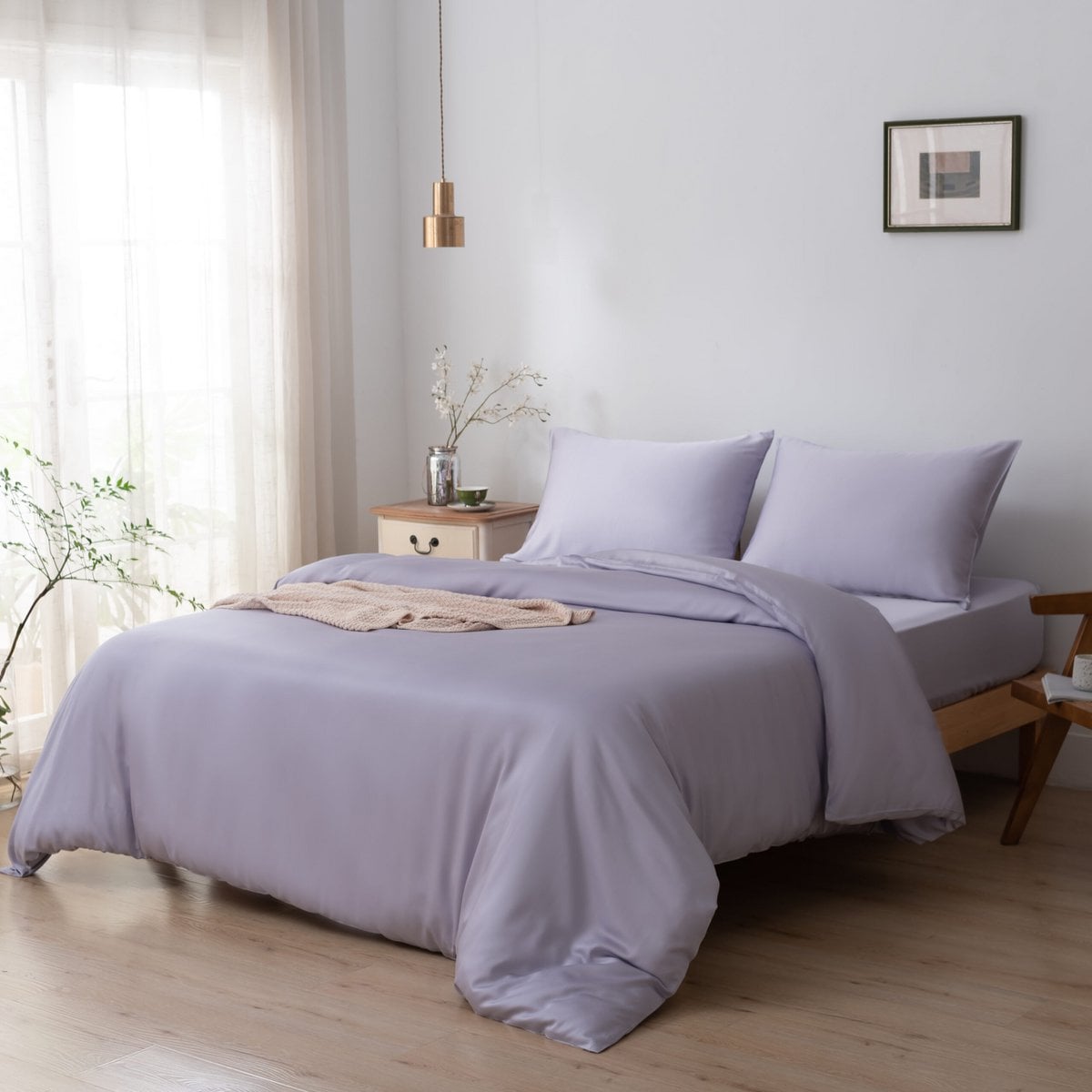
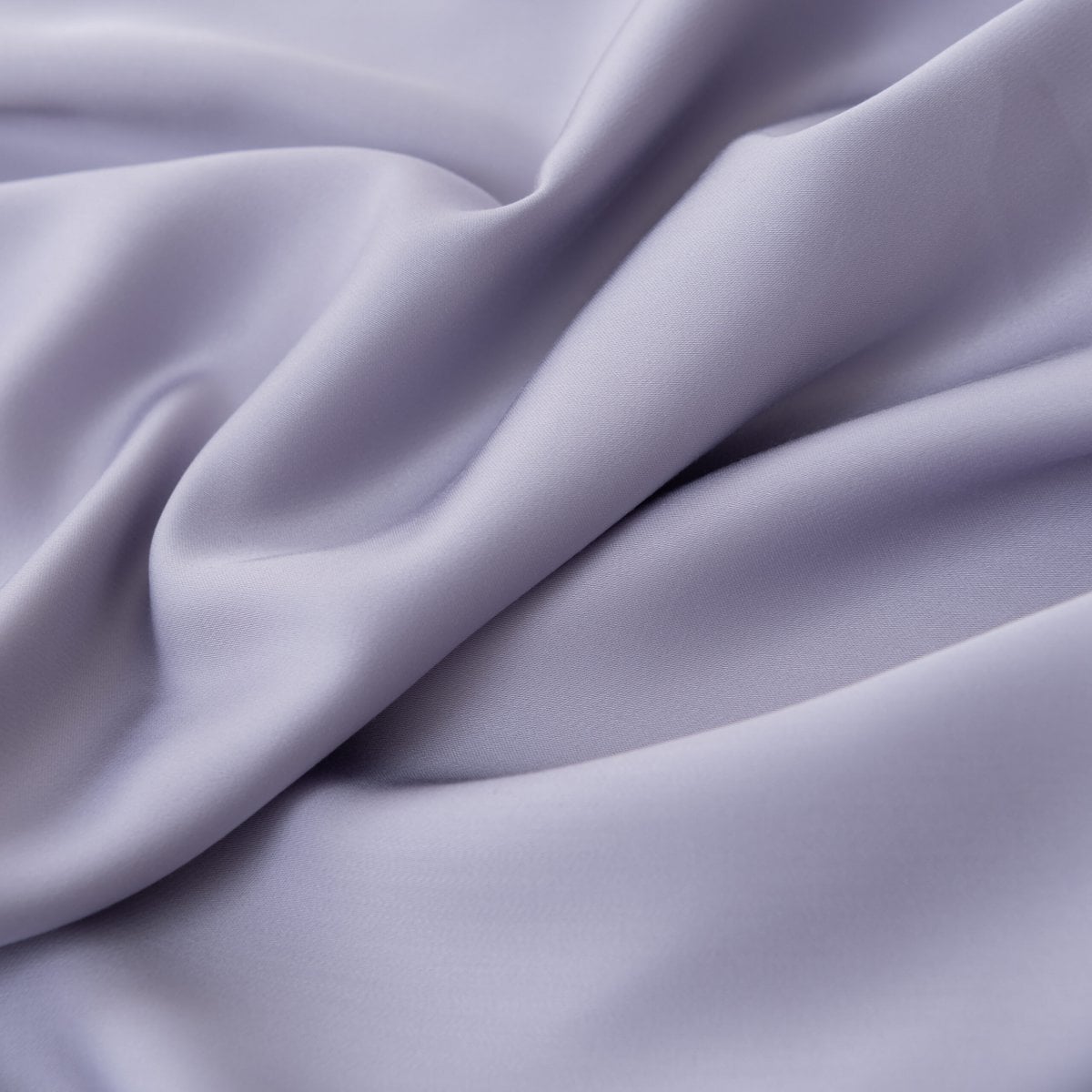
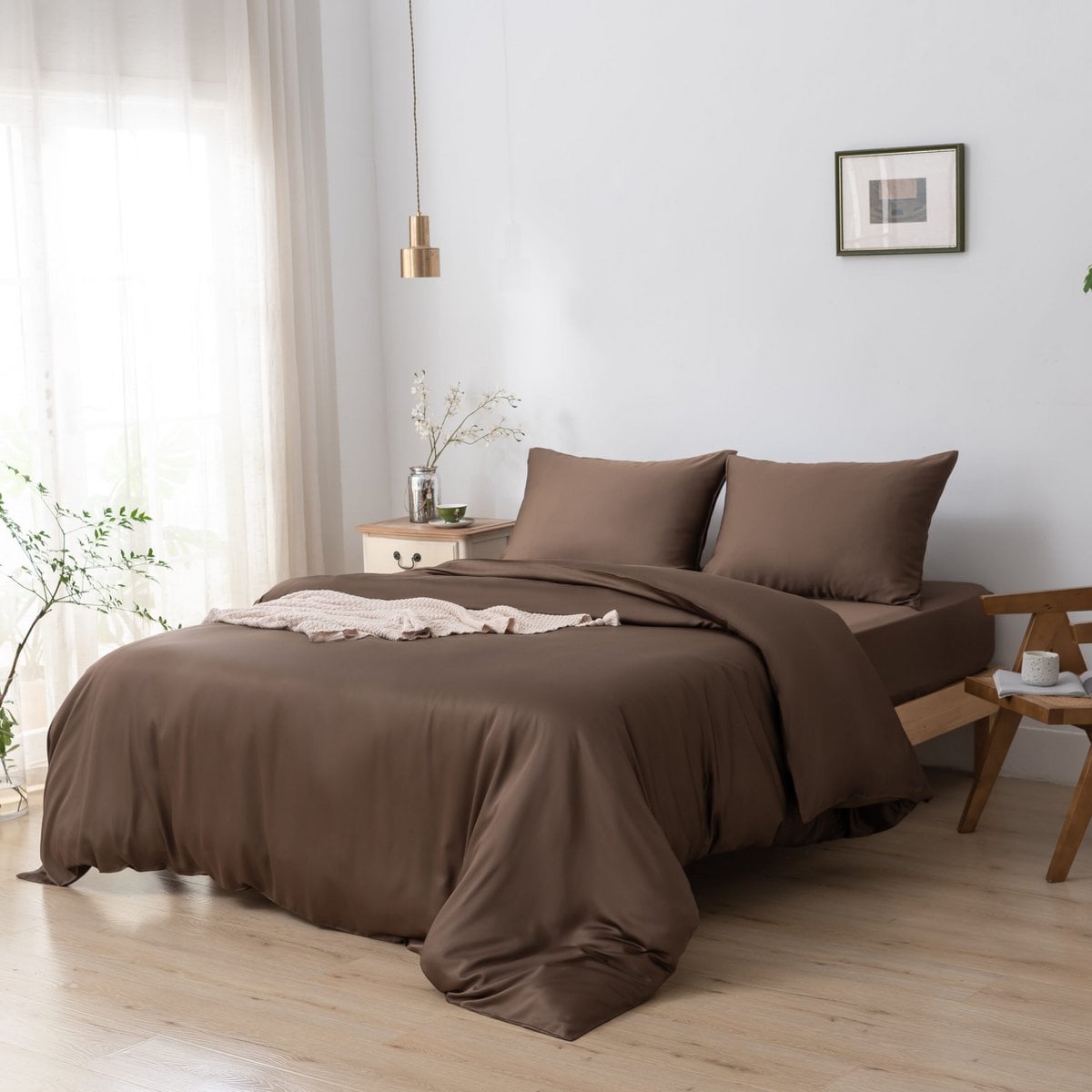
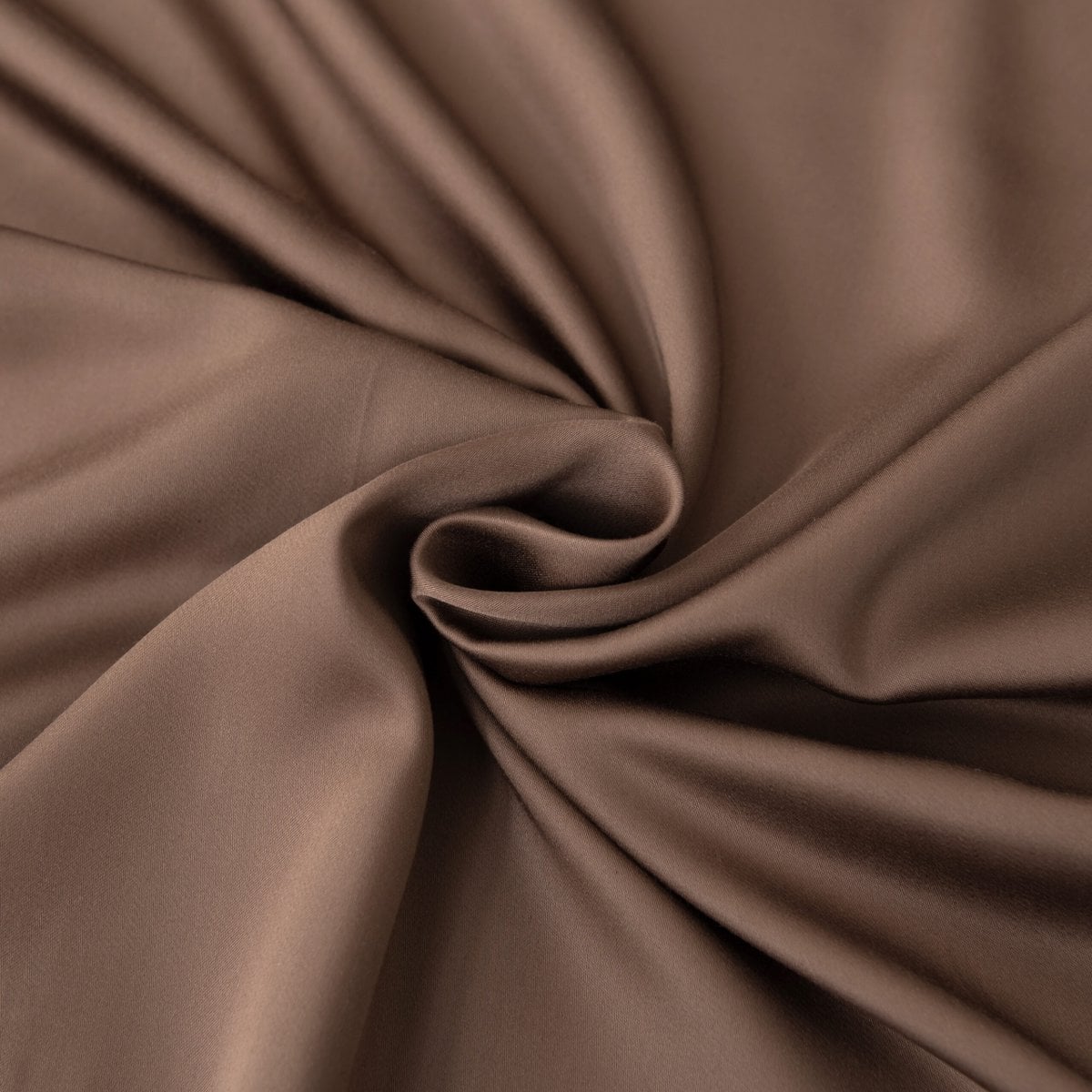
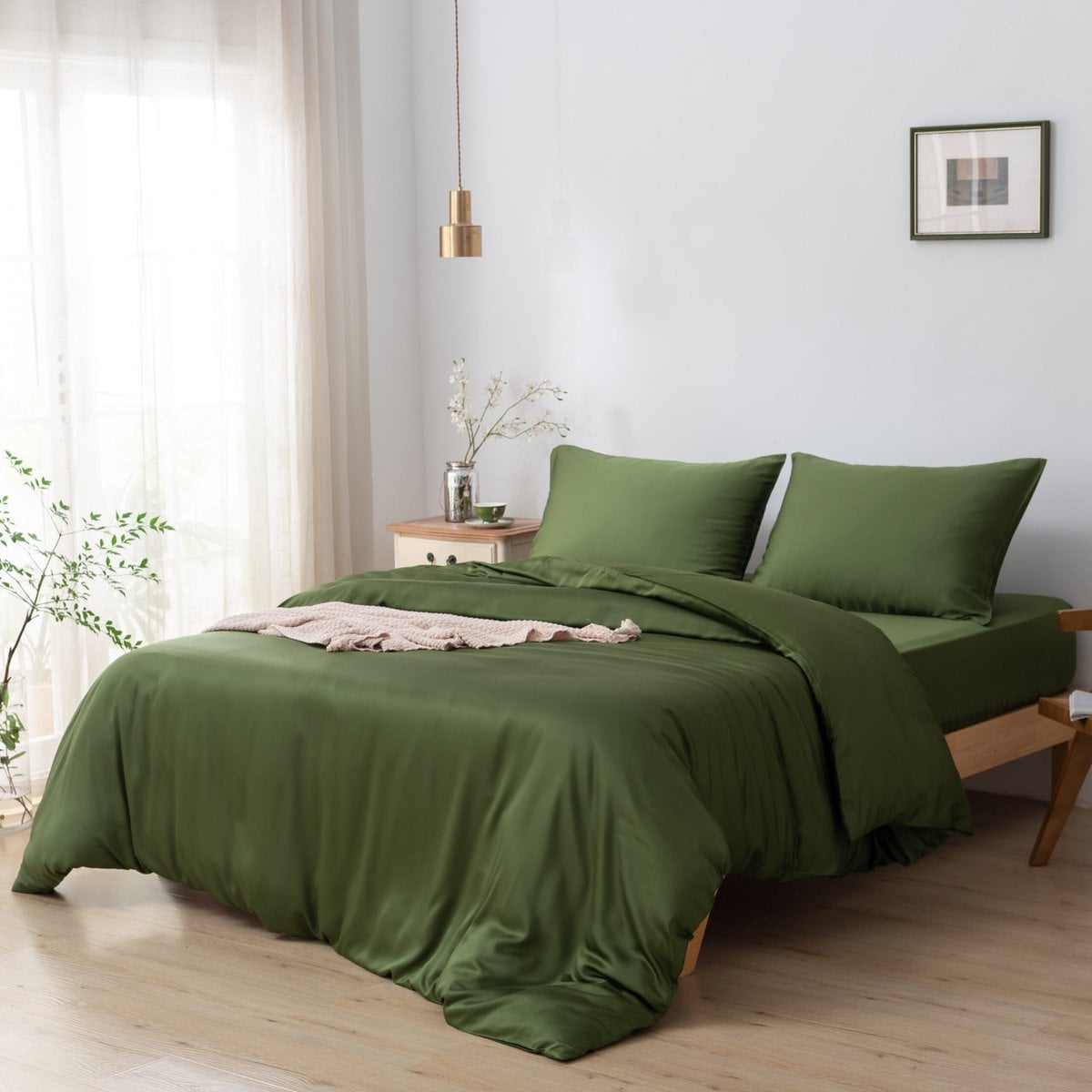
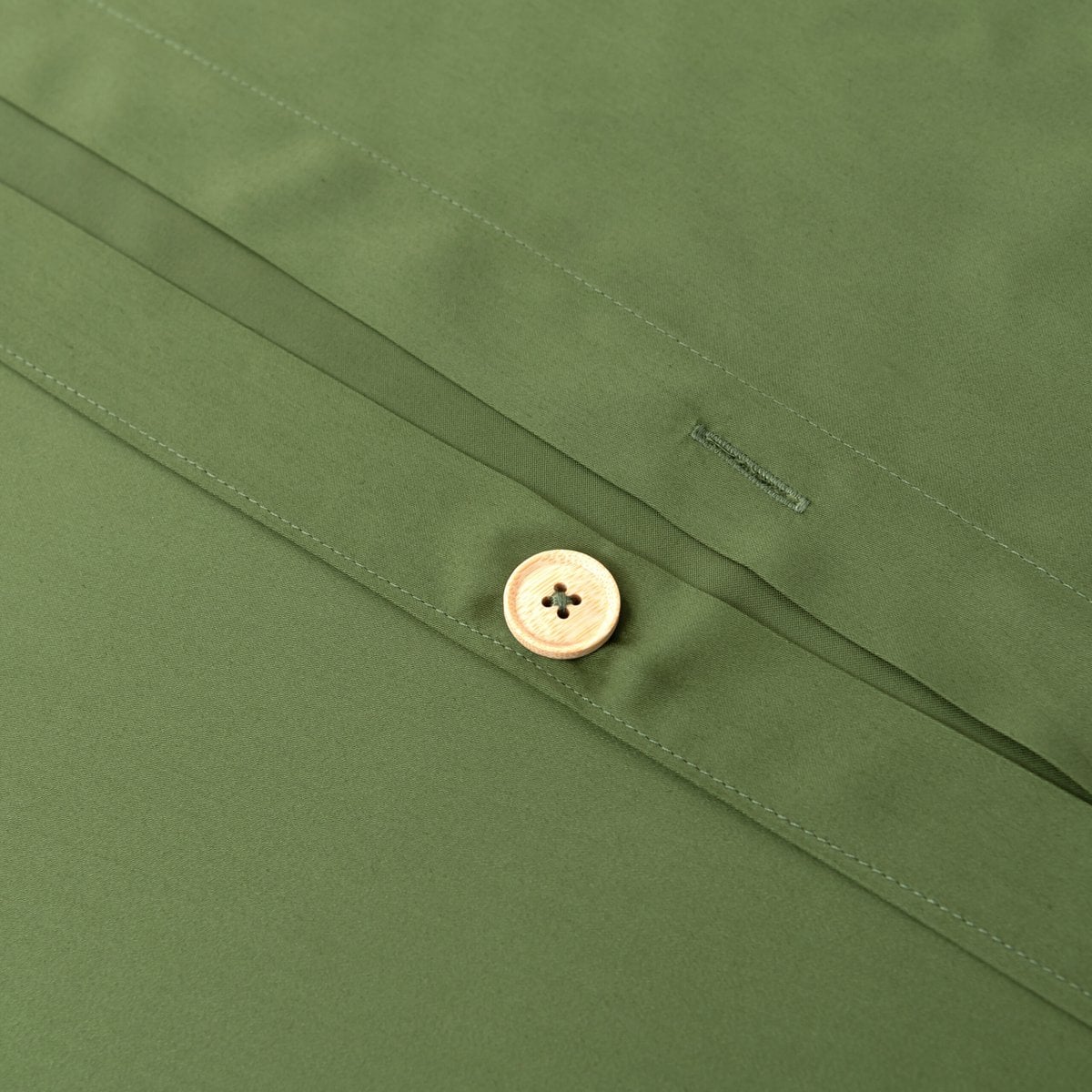
Why Maison de Cocon
- Our bed linen collection includes sets for common sizes such as 135×200 cm and 155×220 cm.
- Every product in the collection lists material and recommended care details in the product description.
- Before choosing a set, it's worth checking the material details - they reveal how wrinkle-resistant or care-intensive the fabric is in everyday use.
- The collection includes different weave types, so you can compare options based on how much care effort you want to put in.
Bed Linen · how to make sense of bed linen certifications like GOTS, OEKO-TEX, and Down Pass · why washing new bed linen before first use actually matters


Leave a comment
All comments are moderated before being published.
This site is protected by hCaptcha and the hCaptcha Privacy Policy and Terms of Service apply.