


How high should a bed be? The question sounds trivial, but it has a real impact on sleep comfort and how easily you get up in the morning. The overall height includes the frame, slatted base or box spring foundation, mattress, and, where applicable, a topper. Choose the wrong height and you either sit too low or struggle to climb in comfortably. This guide shows which measurements have proven themselves in practice, how to work out your own ideal height, and why box spring beds tend to sit higher than classic bed frames.
Why Bed Height Is More Than a Matter of Taste
When choosing a bed, most attention goes to the mattress, firmness, and materials. The height of the bed is often only noticed in the showroom – when you sit down and realize your feet barely touch the floor, or your knees end up uncomfortably high. Yet the ideal bed height follows a simple logic: it's based on the seat height of a comfortable chair. The section further below shows how to work out this reference value for yourself.
Height also affects how a bed feels in a room – the effect varies depending on ceiling height and room size. More on this in the section on room proportions below.
What Counts Toward a Bed's Overall Height
A bed's overall height – measured from the floor to the top of the mattress – is made up of several components: the height of the frame or legs, the height of the slatted base or box spring foundation, the mattress thickness, and, if used, a topper. Each of these components varies noticeably. A low solid-wood bed with short legs can come in at an overall height of 25 to 35 cm, while a box spring bed with two spring modules and a topper can easily exceed 60 cm.
Important for planning: two beds with identical frame heights can end up with a height difference of 10 to 15 cm simply due to mattresses of different thicknesses. When comparing beds, it's always worth checking the stated overall height rather than just the frame height alone.
How to Determine Your Personal Ideal Height
Here's a simple method that doesn't require a tape measure at the furniture store: sit on a chair or bench that feels comfortable to you – your feet resting flat on the floor, knees forming roughly a right angle. Measure the seat height of that chair from the seat surface to the floor. This value, usually between 40 and 50 cm, is a good reference point for the top edge of your mattress.
If you're taller than 1.80 m, you'll likely find a height toward the upper end of this range more comfortable, while shorter people or children tend to do better with a lower entry height. Your own sense of effort when standing up also matters: if rising from a seated, crouched position feels like a strain, that's a sign to go for a higher option.
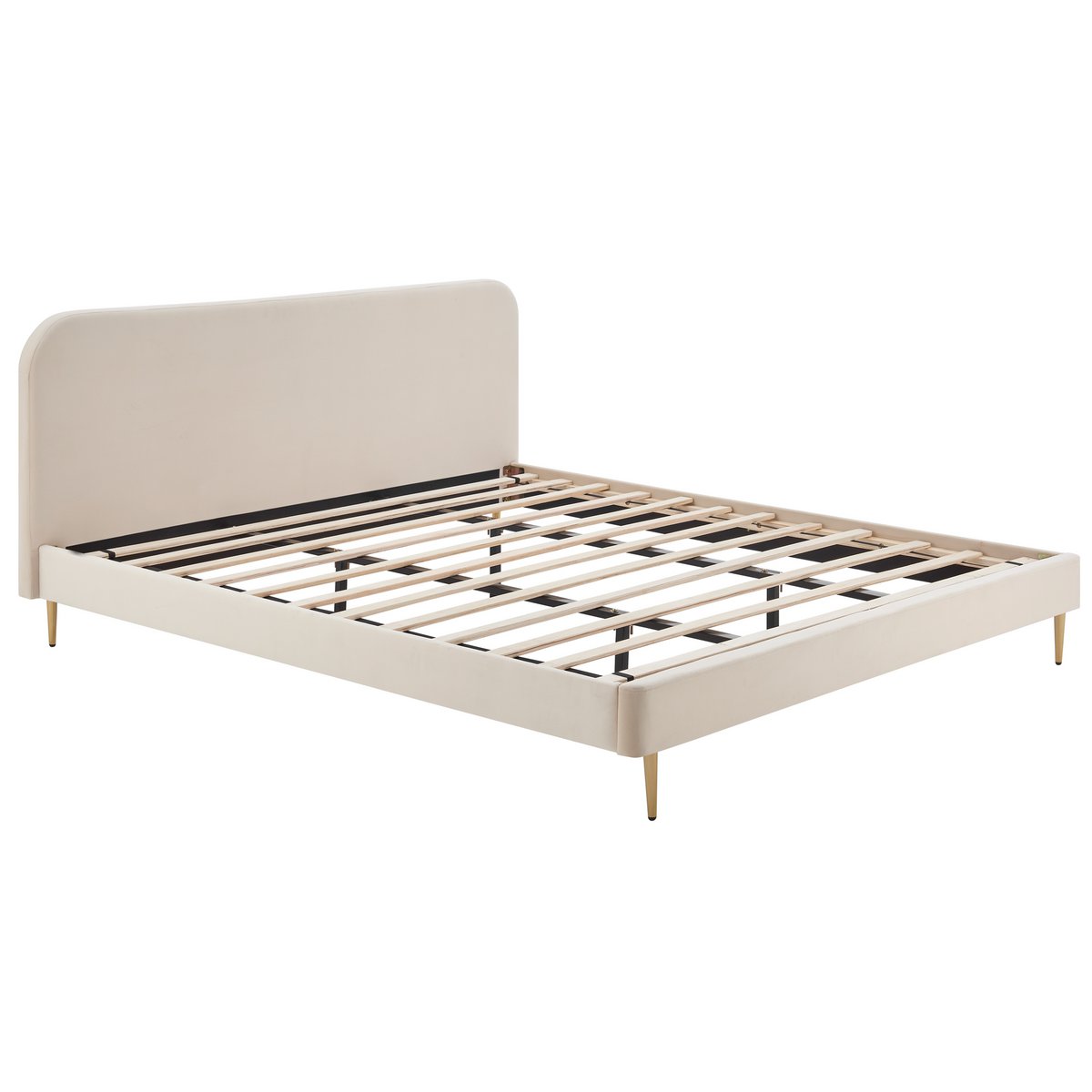
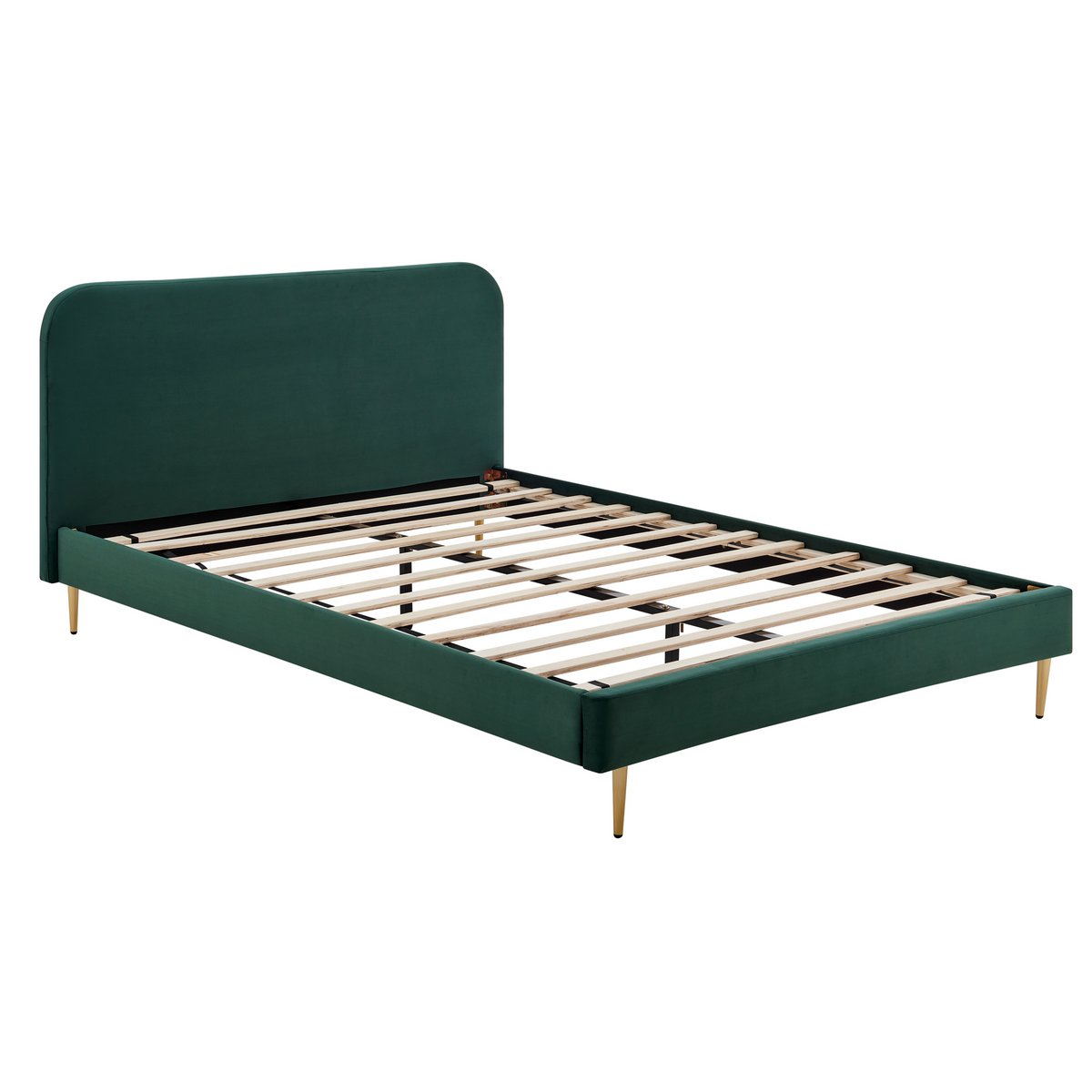
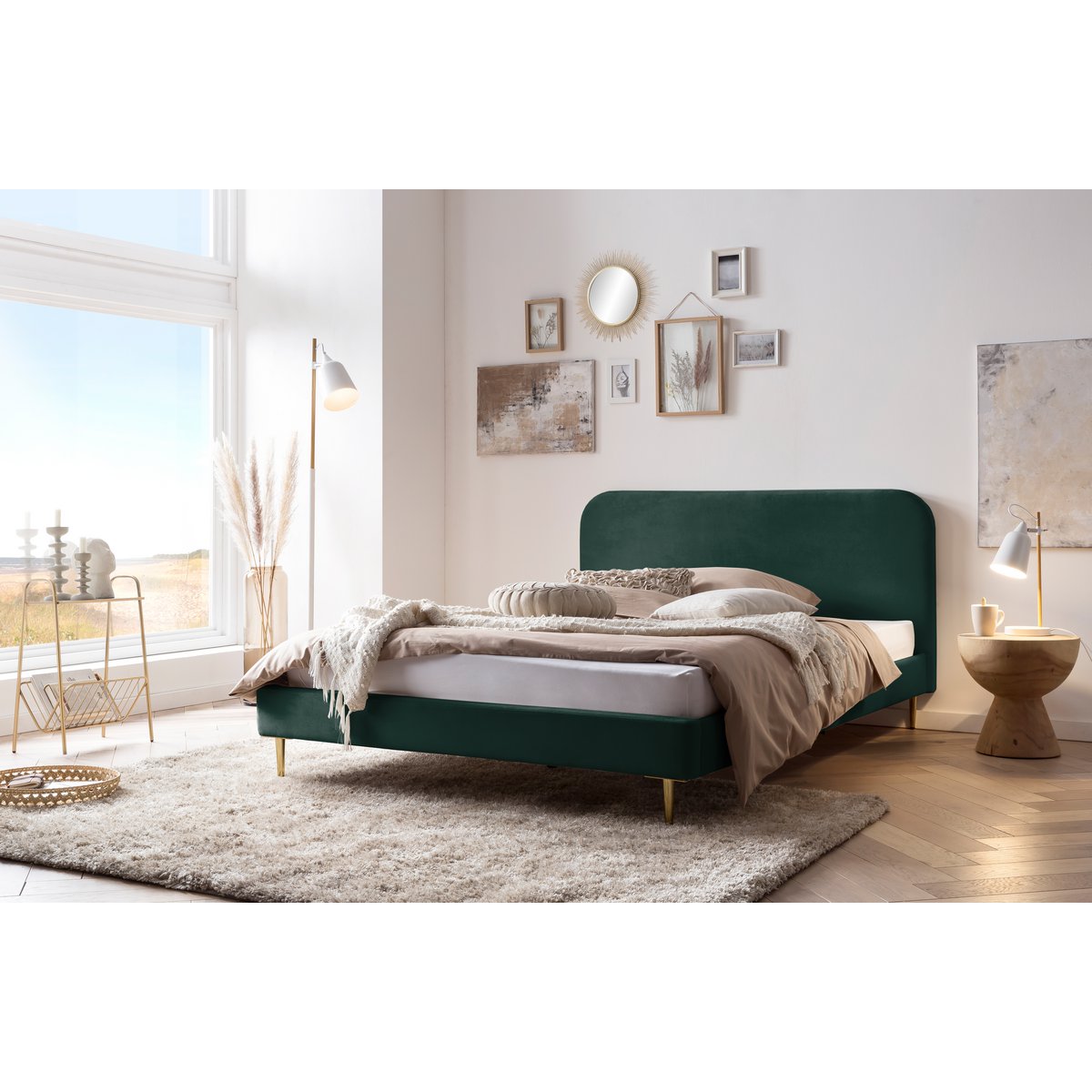
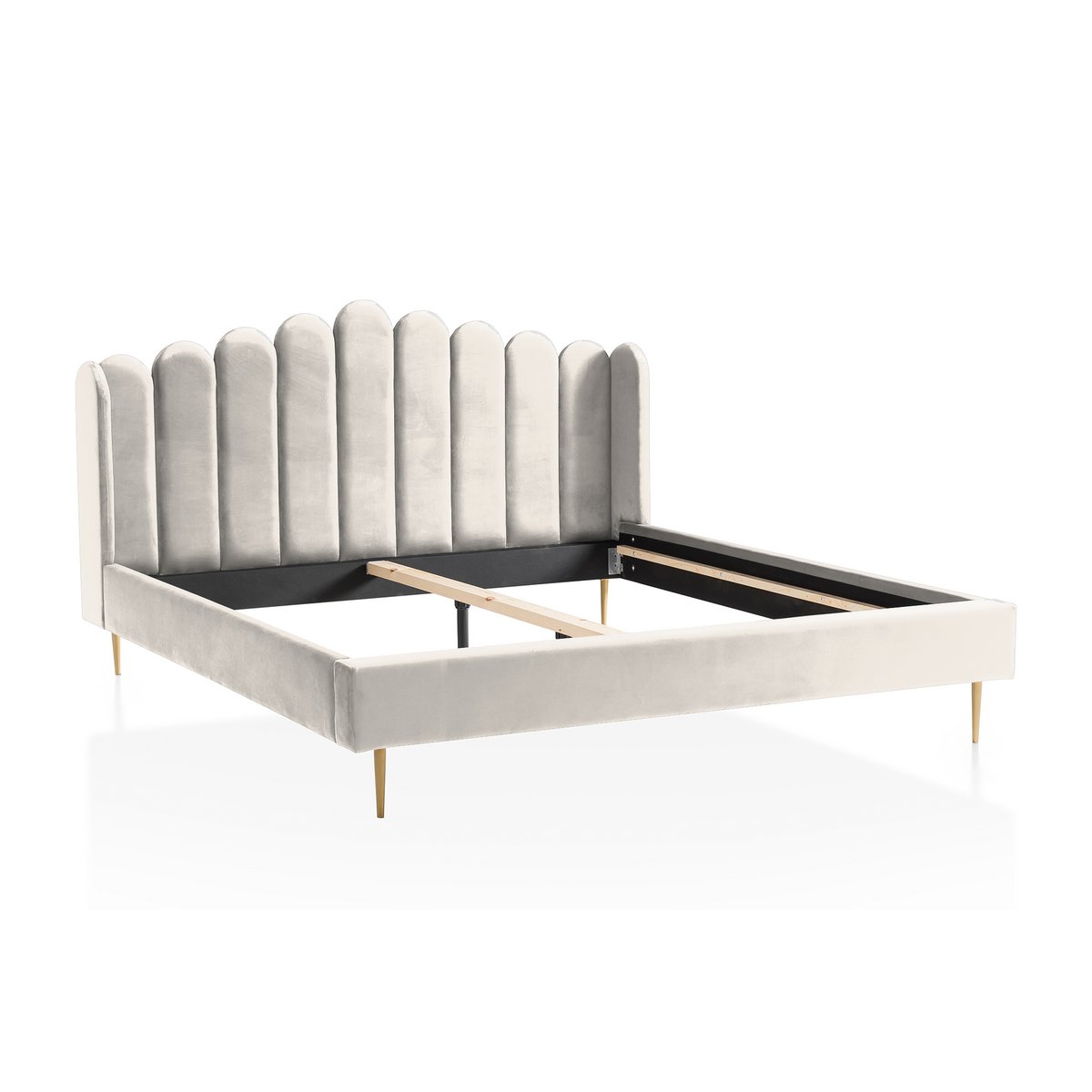
Matching products

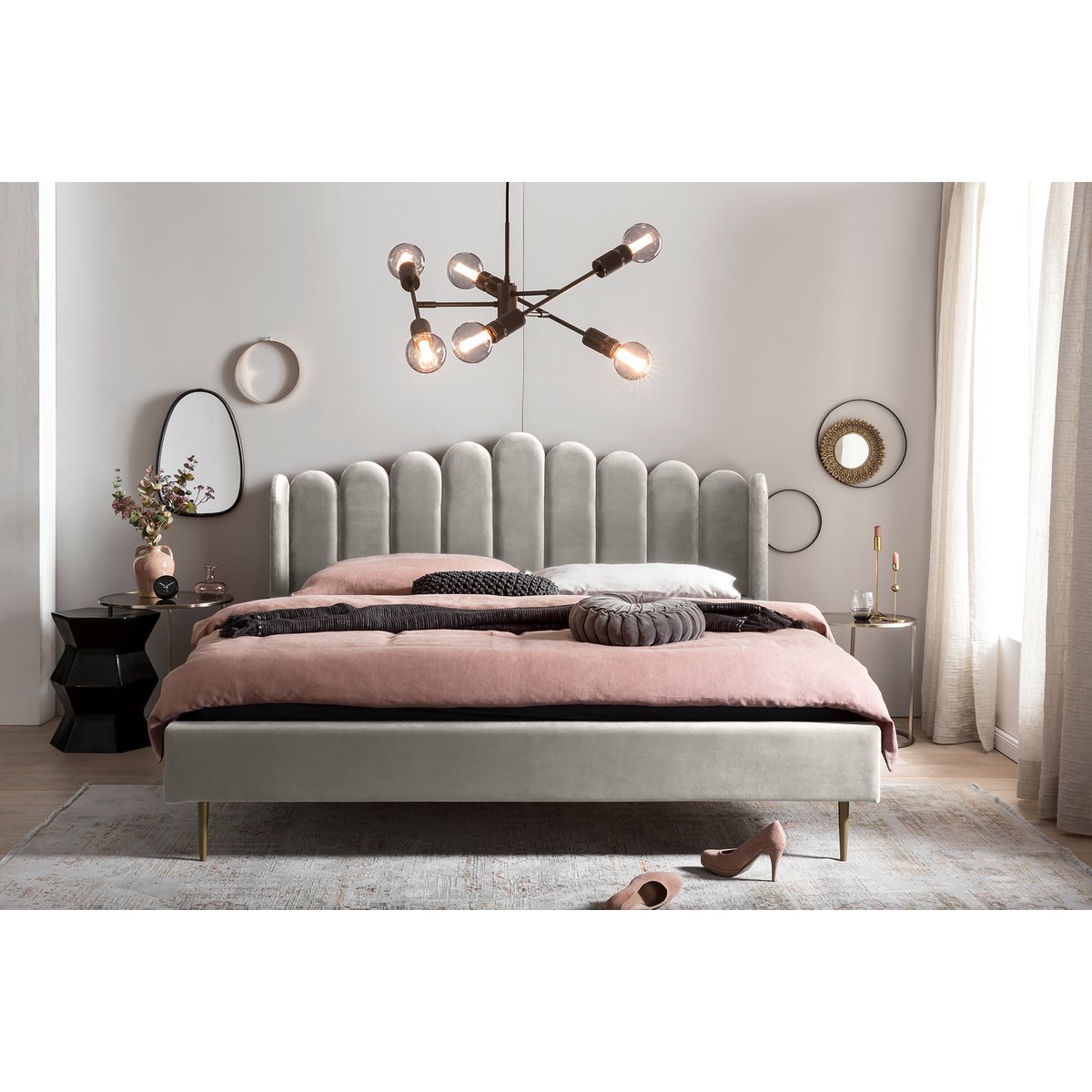
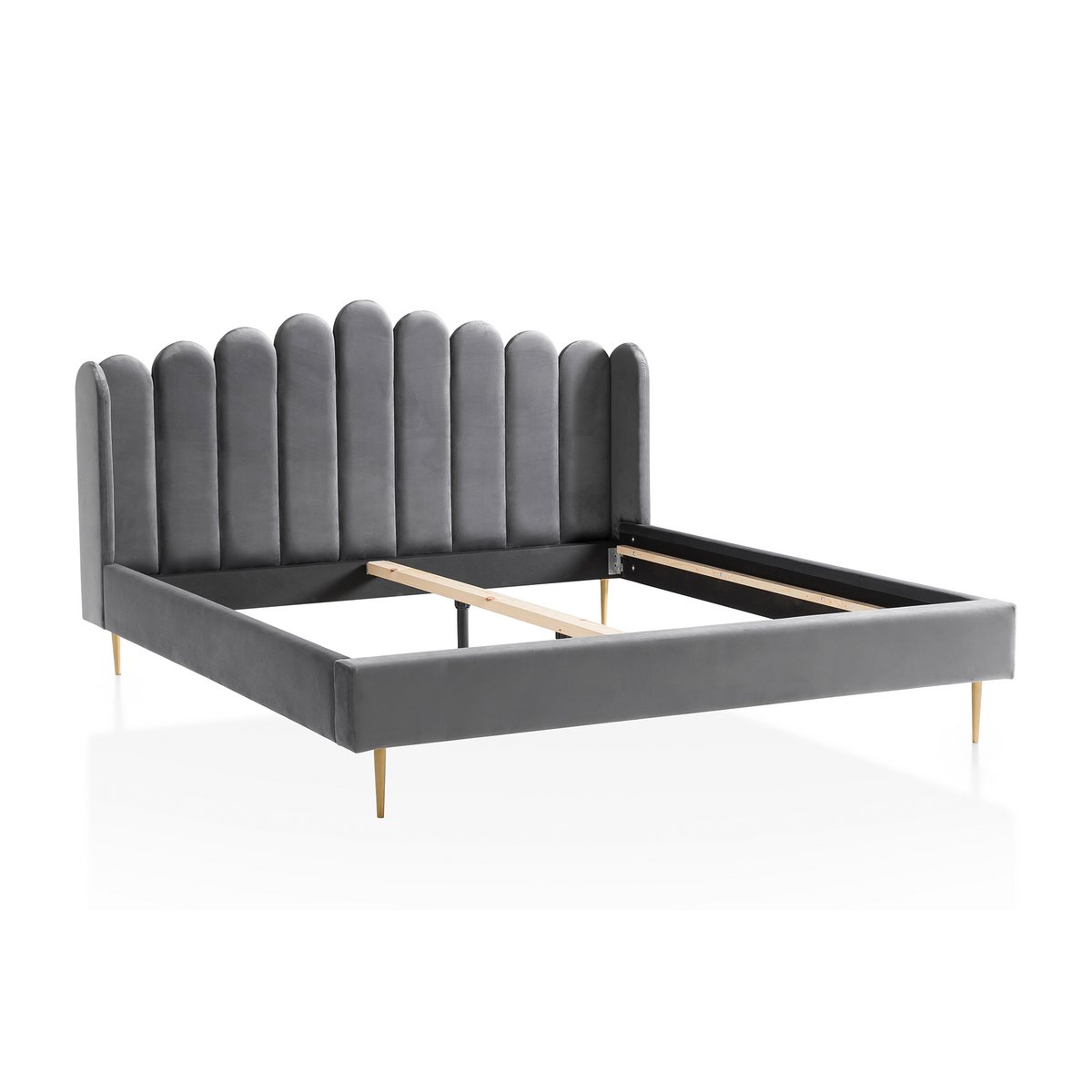
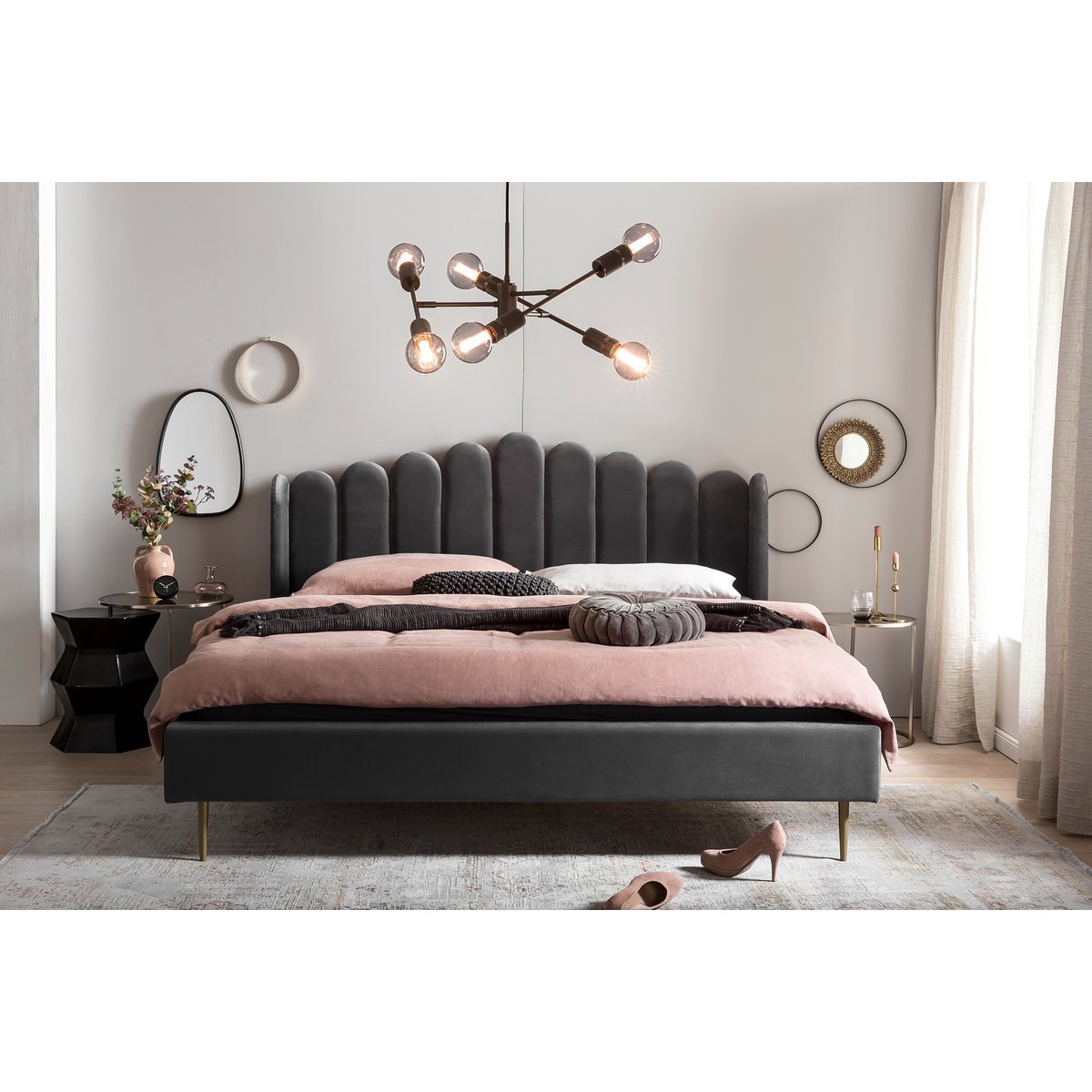
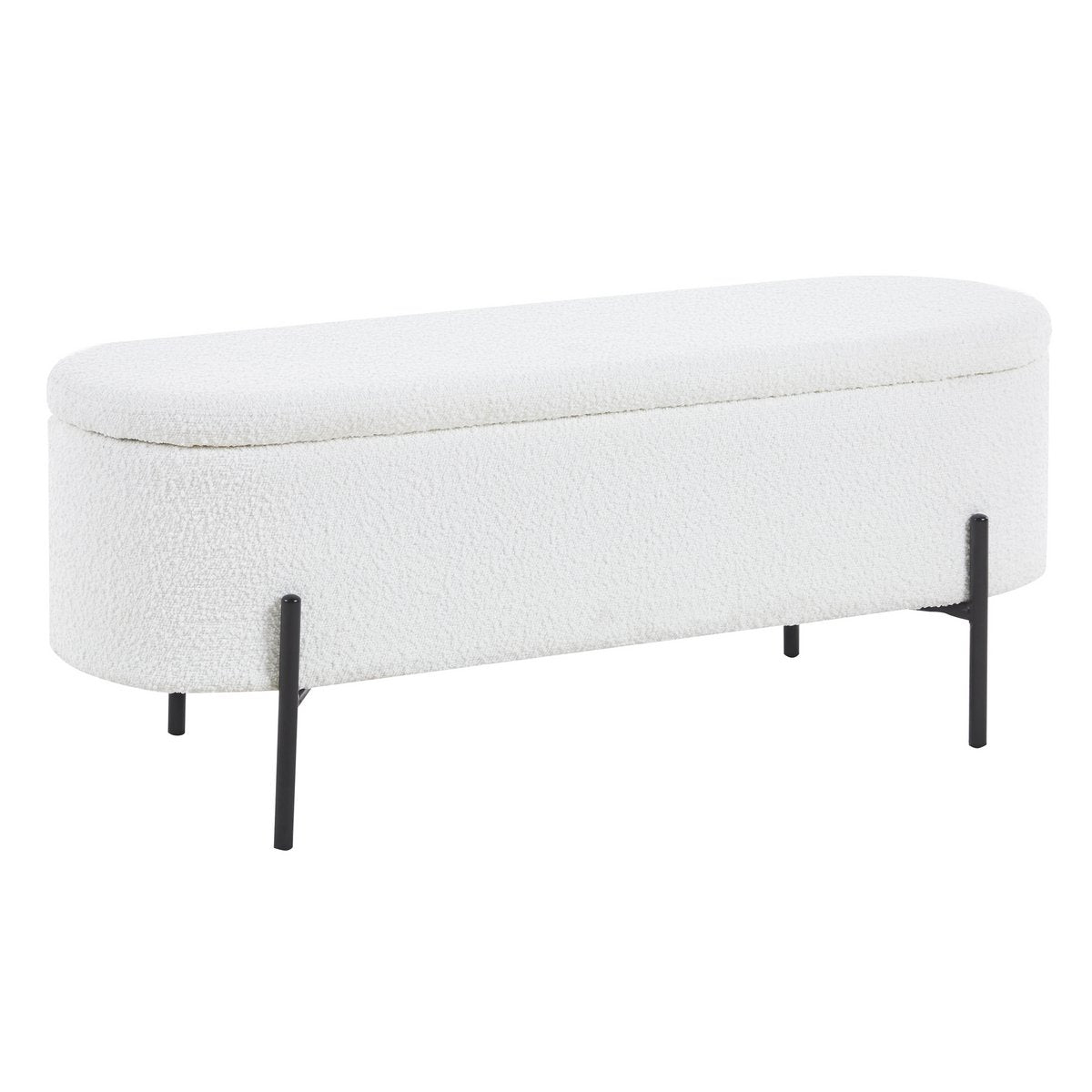
Box Spring Beds: Why They're Usually Higher
With an overall height of typically 55 to 65 cm, sometimes more, box spring beds sit noticeably higher than classic bed frames with a slatted base. The reason lies in the construction: instead of a flat slatted base, an upholstered foundation with its own spring core carries the weight, topped by the mattress, often finished with a topper. These three layers add up to a higher sleeping surface overall than a bed where the mattress rests directly on a frame or slatted base.
For many people, that's exactly the advantage: getting in and out of bed is easier because the seat edge is higher and the knees need to do less work. Pairing a box spring bed with a low baseboard can slightly reduce its visual height without changing the actual sleeping height.
Bed Height and Mobility in Older Age
As we get older, or with limited mobility, bed height becomes a practical concern. A higher bed – in the range of 50 to 60 cm – reduces the effort needed to stand up, since there's less height difference to overcome from a crouched position. The principle is the same as with raised toilet seats or chairs with a higher seat: the closer the starting position is to an upright posture, the less effort the transition requires.
Couples sharing a bed with different needs can also consider two separate slatted bases or mattresses of the same height – useful when firmness needs differ, though it doesn't change the shared entry height.
Bed Height and Room Proportions
Beyond comfort and mobility, appearance also plays a role. In rooms with low ceilings, a very tall bed can quickly feel cramped, especially combined with a tall headboard. Conversely, a very low bed can look lost in a spacious room with high ceilings. As a rough guideline: the lower the ceiling, the more worthwhile it is to choose a bed at the lower end of the height scale, to visually preserve the room volume above the bed.
The relationship to other furniture in the room matters too. A nightstand that's noticeably lower or higher than the top of the mattress makes it awkward to reach a lamp, book, or glass of water – an aspect that's easy to overlook when planning height.
Adjusting the Height Afterward
Not every height decision has to be final at the time of purchase. Bed risers or furniture lifts placed under a frame's legs can raise the overall height by several centimeters, provided the construction allows it. Many frames can also be retrofitted with adjustable legs. Going the other way, skipping a topper or switching to a thinner mattress helps noticeably lower the height. Before making any structural change, it's always worth checking the manufacturer's specifications, since not every frame is designed to be raised.
Typical Bed Heights at a Glance
| Bed Type | Typical Overall Height (Floor to Top of Mattress) | Notable Feature |
|---|---|---|
| Low bed / futon bed | 20–35 cm | Low-to-the-ground, minimalist design |
| Classic bed frame with slatted base | 40–50 cm | Comparable to a typical chair seat height |
| Box spring bed | 55–65 cm (sometimes more with a topper) | Foundation with its own spring core raises the sleeping surface |
| Comfort height / raised models | 50–60 cm | Makes standing up easier thanks to a higher seat edge |
Why Maison de Cocon
- Our bed frames and box spring beds are listed with a range of frame and overall heights, so you can find the right entry height for different needs.
- For every model in our range, you'll find the exact overall height listed in the product details, so you can plan precisely before you buy.
- If you have questions about combining a frame, mattress, and topper, we're happy to advise you so the final height suits your bedroom and your needs.
- Our range of box spring beds shows directly how the foundation, mattress, and topper affect the overall height.
how to find the ideal bedroom sleep temperature in winter




Leave a comment
All comments are moderated before being published.
This site is protected by hCaptcha and the hCaptcha Privacy Policy and Terms of Service apply.