


A bedspread gets more contact with hands, pets, and everyday clothing than the bedding underneath it — so dust and small stains build up correspondingly faster. Whether cotton, linen, velvet, or a wool throw: each material calls for a different wash temperature, different handling when drying, and its own strategy against stains. This guide shows how to wash a bedspread and throw correctly depending on the fabric, what to look for on the care label, and how often washing is even necessary — so the color, shape, and feel of the fabric last for years.
A bedspread sits on the bed every day, gets pushed aside and smoothed back into place, and is often used for sitting or reading as well. Depending on the material — cotton, linen, velvet, or wool — wash temperature, drying, and stain treatment differ considerably. Washing a bedspread or throw according to its material, and caring for it in between, keeps the fabric's color, shape, and feel intact for years.
Read the care label before washing
The sewn-in care label is the most reliable source for wash temperature, spin speed, and whether machine washing is even allowed. For bedspreads made of several materials — say, cotton on the outside and a synthetic filling inside — the stricter of the two instructions always applies. If the label is missing or illegible, the product page usually states the material composition.
A wash symbol with a crossed-out tub means: no machine washing, only hand washing or dry cleaning. This distinction matters especially for throws made of wool or cashmere, since machine washing can felt the fibers and permanently shrink the blanket.
Washing by material
Cotton and blended fabrics
Cotton bedspreads generally tolerate a gentle cycle at 30 to 40 degrees Celsius with a mild detergent. The fiber is sturdy and forgives frequent washing, but loses color intensity if the temperature is too high. Fabric softener isn't necessary for cotton and can reduce the fiber's absorbency over time.
Linen
Linen is washed similarly to cotton, at around 30 degrees, but with a reduced spin speed, since the fiber frays more quickly under heavy mechanical stress. After washing, linen's characteristic crumpled look can be smoothed back into shape by pulling the fabric taut while it's still slightly damp.
Velvet and textured fabrics
Velvet is sensitive to moisture and friction: the pile can permanently flatten in one direction or develop pressure marks. Dry cleaning is usually the safer choice here. Smaller stains can be treated by blotting gently with a damp cloth, without washing the entire blanket.
Wool, cashmere, and throws
Wool blankets and cashmere throws belong in hand washing with cold water and a wool detergent without enzymes. Don't rub or wring — instead, roll the blanket in a towel to press out excess water, then let it dry lying flat.
Quilted bedspreads with filling
For quilted styles, the filling determines the care: synthetic polyester fillings usually tolerate machine washing at 30 to 40 degrees, while natural fillings such as cotton batting or wool are more delicate and should rather be professionally cleaned. After washing, check the quilting seams and, if needed, adjust them by hand so the filling doesn't shift.
Drying without losing shape or color
Air-drying on a line or lying flat on a towel is gentler on the fibers than a dryer. Direct sunlight fades dark and colored fabrics, so bedspreads are best dried in the shade or in a well-ventilated room indoors. Anyone using a dryer should add dryer balls for synthetic fillings — they prevent the filling from clumping and shorten drying time.
Wool and cashmere should never go in the dryer. The heat shrinks the fiber and permanently changes the blanket's fit.
Treating stains before a full wash is needed
Most stains on a bedspread cover only a small area — a coffee stain, a drop of make-up, a paw print. Rather than washing the whole blanket, spot treatment is often enough: blot the stain immediately with a clean cloth, never rub, and pre-treat with cold water and a little mild detergent. The longer a stain sets in, the harder it is to remove later.
Between washes, regular shaking out and airing on the balcony or by an open window helps. This removes loose dust particles and odors without stressing the fibers with water and friction.
How often should a bedspread be washed?
There's no fixed rule, since usage varies widely — a bedspread that pets lie on or that's used for sitting every day needs more frequent care than a purely decorative one. As a guideline: wash or clean every four to eight weeks, with weekly airing and shaking out in between. For throws, which have less direct skin contact, seasonal cleaning before storage is often enough.
If you're still looking for a new bedspread, the Bedspreads & Throw Blankets collection has styles in various materials. For more on choosing the right style, read our article on which styles suit a bedspread and throw in the bedroom, and to learn how to keep duvets fresh between washes, see our piece on how to keep your Tencel duvet fresh for longer through proper airing and storage.
Caring for Bedspreads and Throws by Material
| Material | Wash Temperature | Drying | Special Note |
|---|---|---|---|
| Cotton | 30–40 °C, gentle cycle | Line or dryer (low setting) | Sturdy fiber, tolerates frequent washing |
| Linen | approx. 30 °C, reduced spin speed | Dry lying flat or on a line | Prone to wrinkling, smooth into shape after washing |
| Velvet | No machine washing | Not in the dryer | Pile is sensitive to moisture and friction |
| Wool / Cashmere | Hand wash, cold water | Dry lying flat, do not wring | Risk of felting from heat and friction |
| Quilted blanket with synthetic filling | 30–40 °C per label | Dryer with dryer balls possible | Check quilting seams after washing |
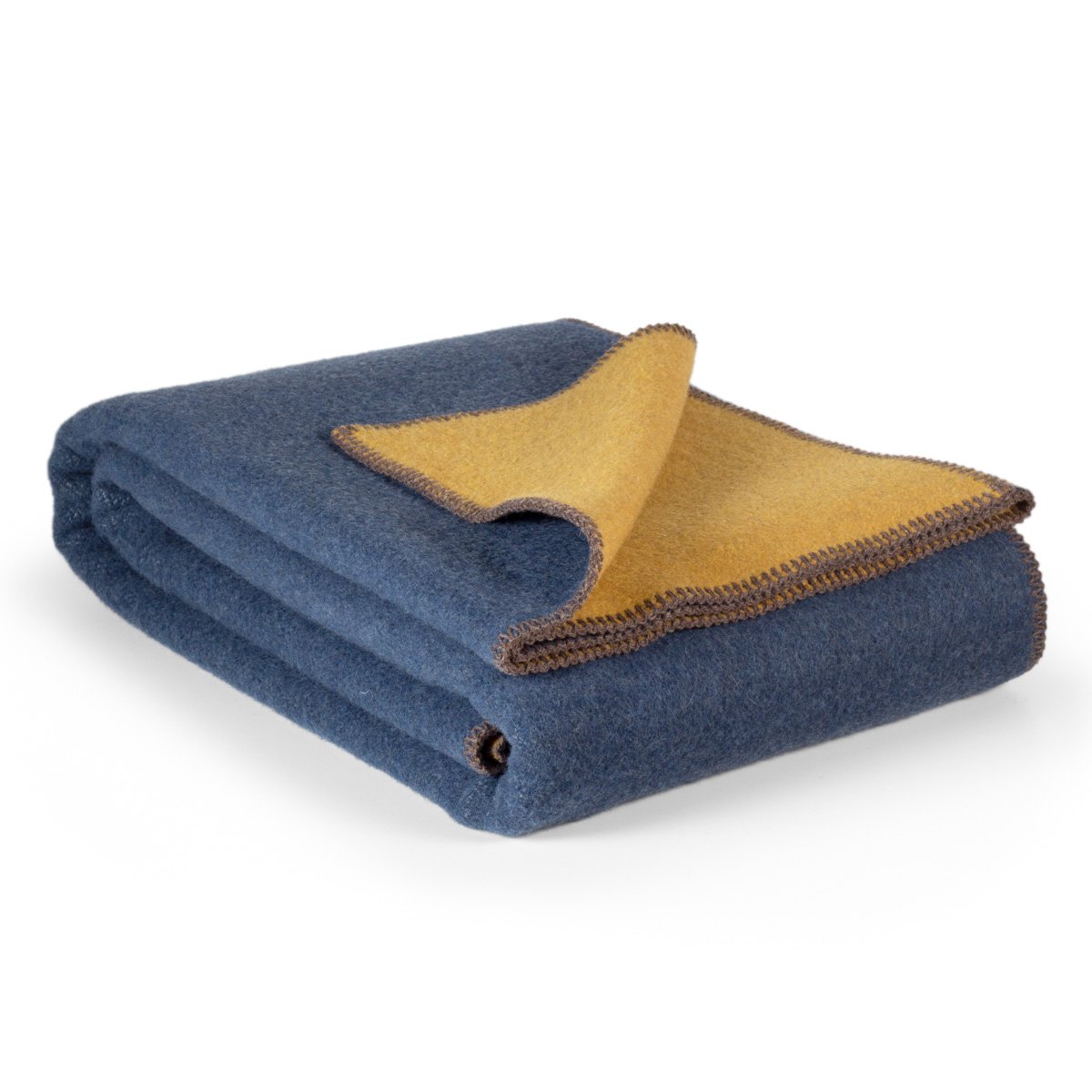
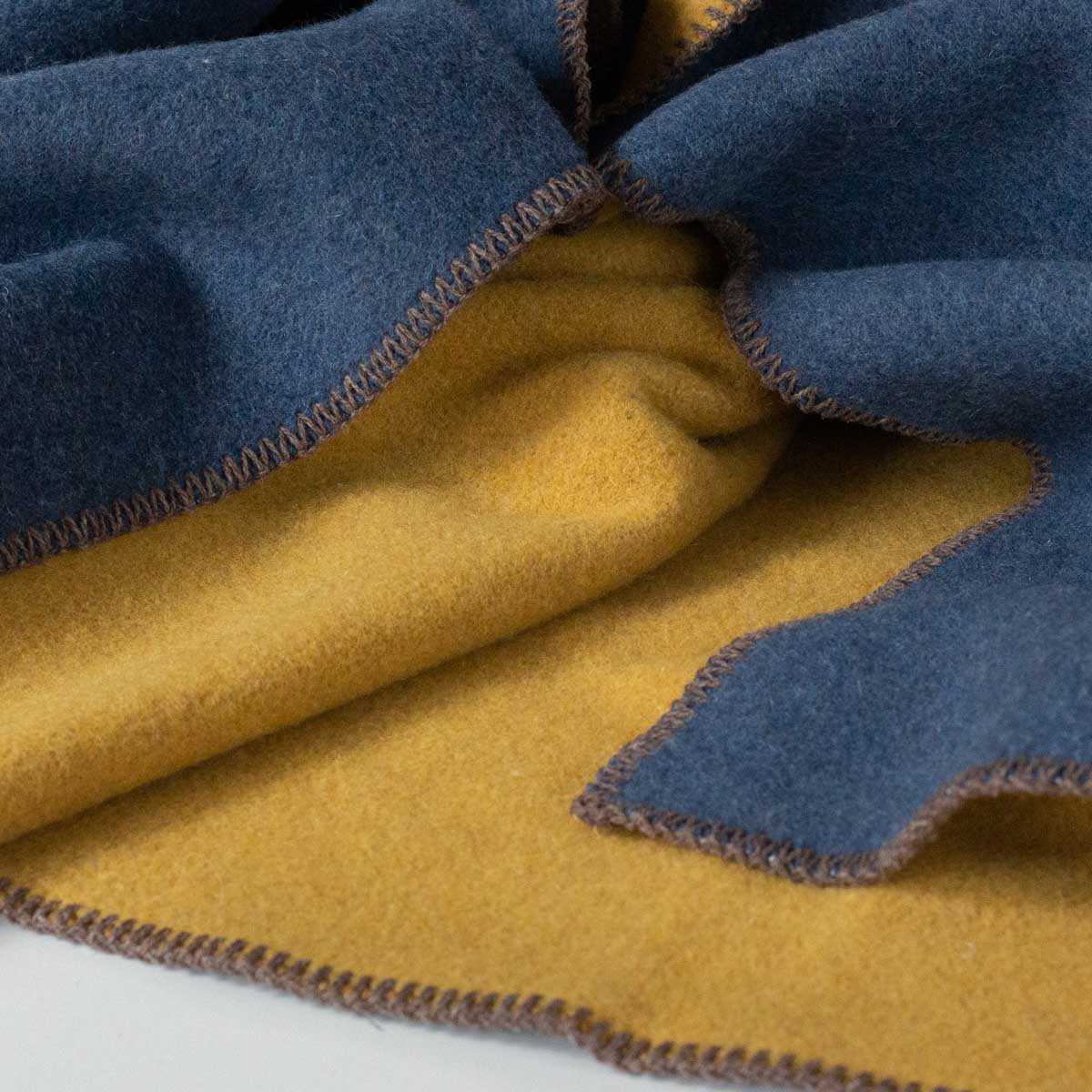
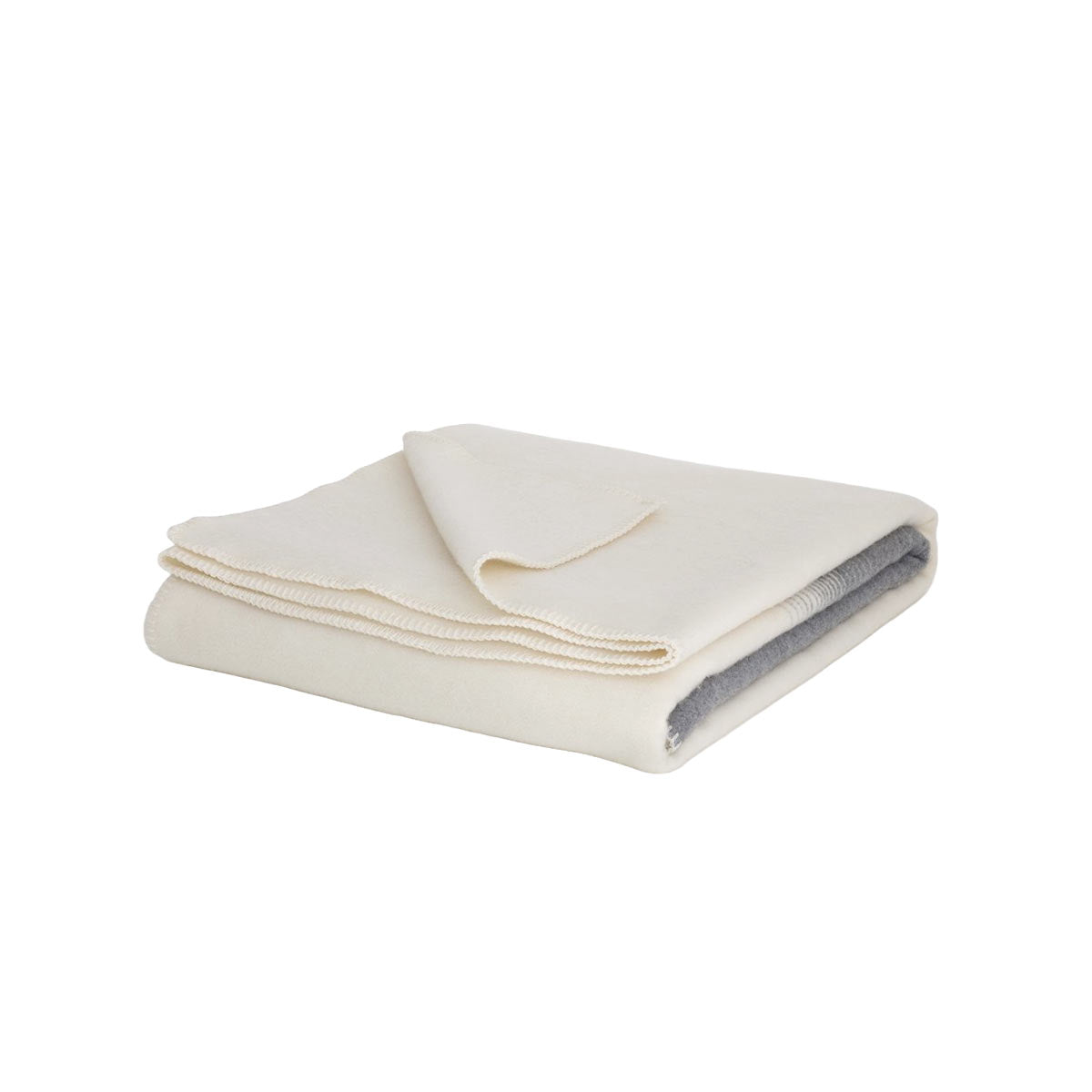
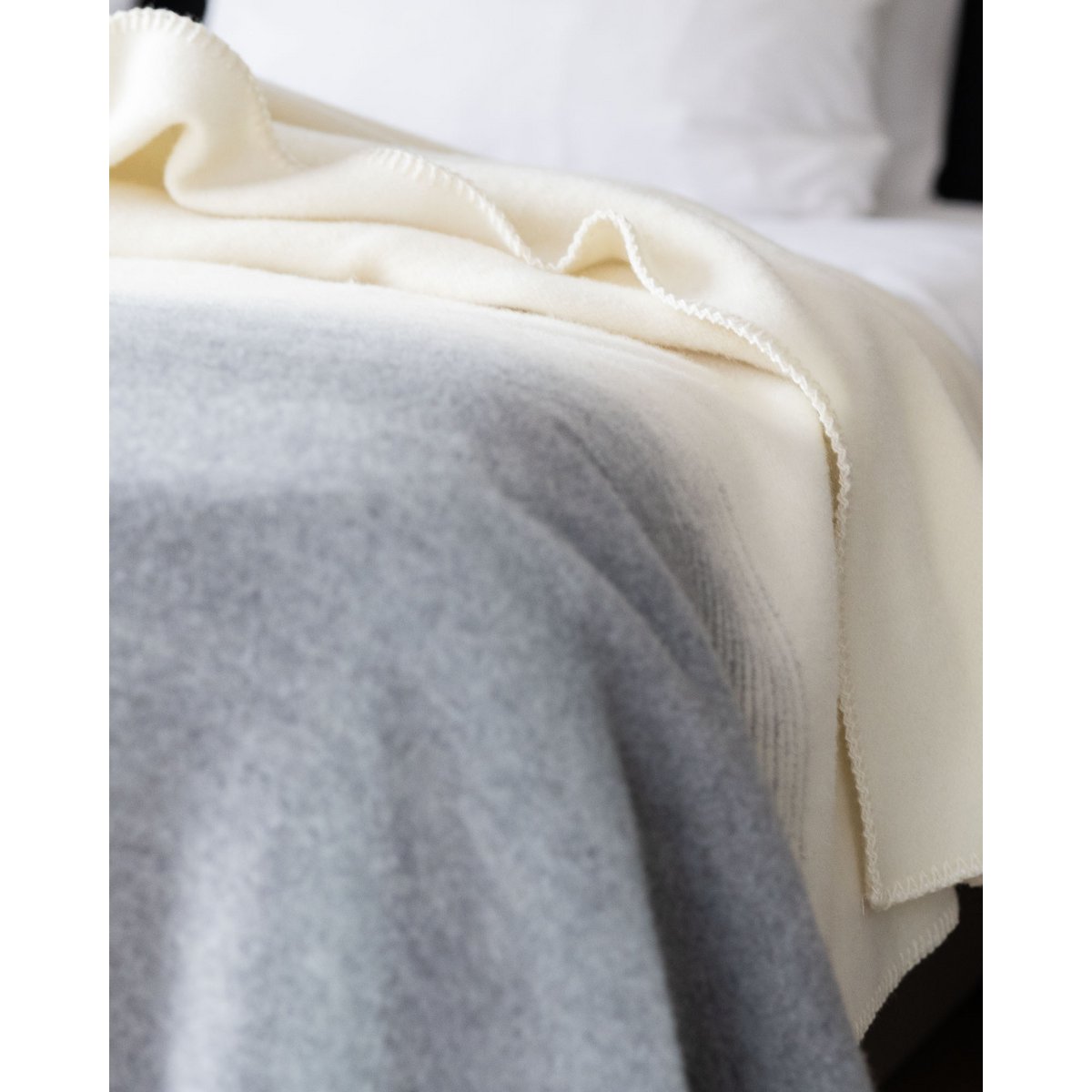
Matching products


Why Maison de Cocon
- The product description for every bedspread and throw gives you the material and care instructions at a glance.
- Our range of bedspreads and throws includes different materials and weaves for every season.
- If you have questions about caring for a specific style, our customer service can help before you buy.
- The care instructions on the product page show, even before purchase, whether a blanket is machine washable or should be professionally cleaned.
Bedspreads & Throw Blankets · which styles suit a bedspread and throw in the bedroom · how to keep your Tencel duvet fresh through proper airing and storage



Leave a comment
All comments are moderated before being published.
This site is protected by hCaptcha and the hCaptcha Privacy Policy and Terms of Service apply.