


A duvet rarely shows its age at first glance – it quietly loses loft until, one morning, it simply doesn't keep you warm anymore. How long a duvet lasts depends largely on its fill material: synthetic fillings wear out faster than down or natural fibers. This article outlines the benchmark lifespans you can expect, the six signs that point to a replacement, and how proper care can noticeably extend a duvet's life – so you know when washing is enough and when a new duvet is the better choice.
How long does a duvet really last?
There's no one-size-fits-all answer – a duvet's lifespan depends mainly on its fill material, but also on how often it's washed, aired out, and stored. A synthetic duvet made of polyester typically loses its loft faster than a down duvet, because the fibers clump together more during washing and have less resilience. High-quality natural fibers like down or wool, on the other hand, last noticeably longer with good care, since the individual clusters or fibers are more flexible and spring back after being compressed.
As rough benchmarks in the textile industry: synthetic fillings last 2 to 5 years, down and feather duvets 10 to 15 years, and natural-fiber duvets made of wool or silk 5 to 10 years. These are orientation values – what ultimately matters is how the duvet looks, smells, and feels, not its age on paper.
Lifespan by fill material at a glance
The table below summarizes how long the most common fill materials typically last and what matters most for their respective care.
Does fill weight affect durability?
Fill weight – measured in grams per square meter – mainly determines warmth, but it also affects lifespan. A lightweight summer duvet with a low fill weight is often used for only a few months a year and therefore tends to last longer than a year-round duvet in constant use. If a winter duvet with a high fill weight is used year-round, the constant pressure compresses the filling faster, and its insulating effect declines sooner than with seasonal use.
6 signs your duvet should be replaced
Not every older duvet needs to be replaced right away. But these signs suggest the filling has reached the end of its life:
- The filling forms clumps that won't spread out again even after vigorous fluffing.
- The duvet looks flat and doesn't puff up anymore, even right after washing.
- An unpleasant smell remains even after thorough airing.
- Feathers or filling are visibly poking through the fabric.
- Stains or discoloration no longer come out, even after washing.
- The duvet noticeably keeps you less warm than before, even though room temperature and bedding have stayed the same.
If two or more of these apply, it's usually worth doing a sober comparison: what does a new duvet cost compared to professional cleaning or restoration?
How care extends lifespan
How a duvet is cared for often affects how long it keeps its shape even more than the fill material itself. Airing it out regularly after getting up – at least 15 to 20 minutes with the window open – reduces moisture that would otherwise settle into the filling. A duvet cover also protects against skin flakes and body oils, which reduces how often the duvet itself needs washing.
We go into more detail on how to properly air out, fluff, and store your duvet between seasons in our article on how to properly air out, fluff, and store your duvet.
Wash, have it cleaned, or replace it?
Before deciding on a new duvet, it's worth trying a care treatment first. Light clumping in many synthetic and natural-fiber duvets can often be fixed by washing at the temperature indicated on the care label, followed by thorough drying. Down duvets usually benefit from professional cleaning, since home washing machines can soak the filling unevenly. If the duvet shows structural damage, though – such as holes all the way through, or a smell that persists even after washing – further cleaning is usually just a waste of time.
One person, two people: different lifespans in a shared bed
With a shared duvet, the filling often wears unevenly if both people sweat differently or move around more or less during the night. Two separate duvets, on the other hand, age independently and can be washed and replaced separately, which tends to extend the lifespan of each individual duvet. We've compared which option makes more sense for your bedroom in a separate article on whether one large duvet or two separate duvets makes more sense for couples.
If the comparison shows that a new duvet makes more sense than another round of cleaning, take a look at our Duvets collection, where fill material and fill weight are listed directly on each product page.
Duvet lifespan by fill material (benchmark values)
| Fill material | Average lifespan | Special characteristic |
|---|---|---|
| Synthetic fill (polyester, microfiber) | 2–5 years | Affordable and usually machine-washable, but loses loft faster |
| Down and feathers | 10–15 years | Long lifespan with good care, needs regular airing |
| Natural fibers (wool, silk) | 5–10 years | Regulates moisture, more delicate to wash |
| Tencel/Lyocell | 5–8 years | Smooth feel, absorbs and releases moisture |
Matching products
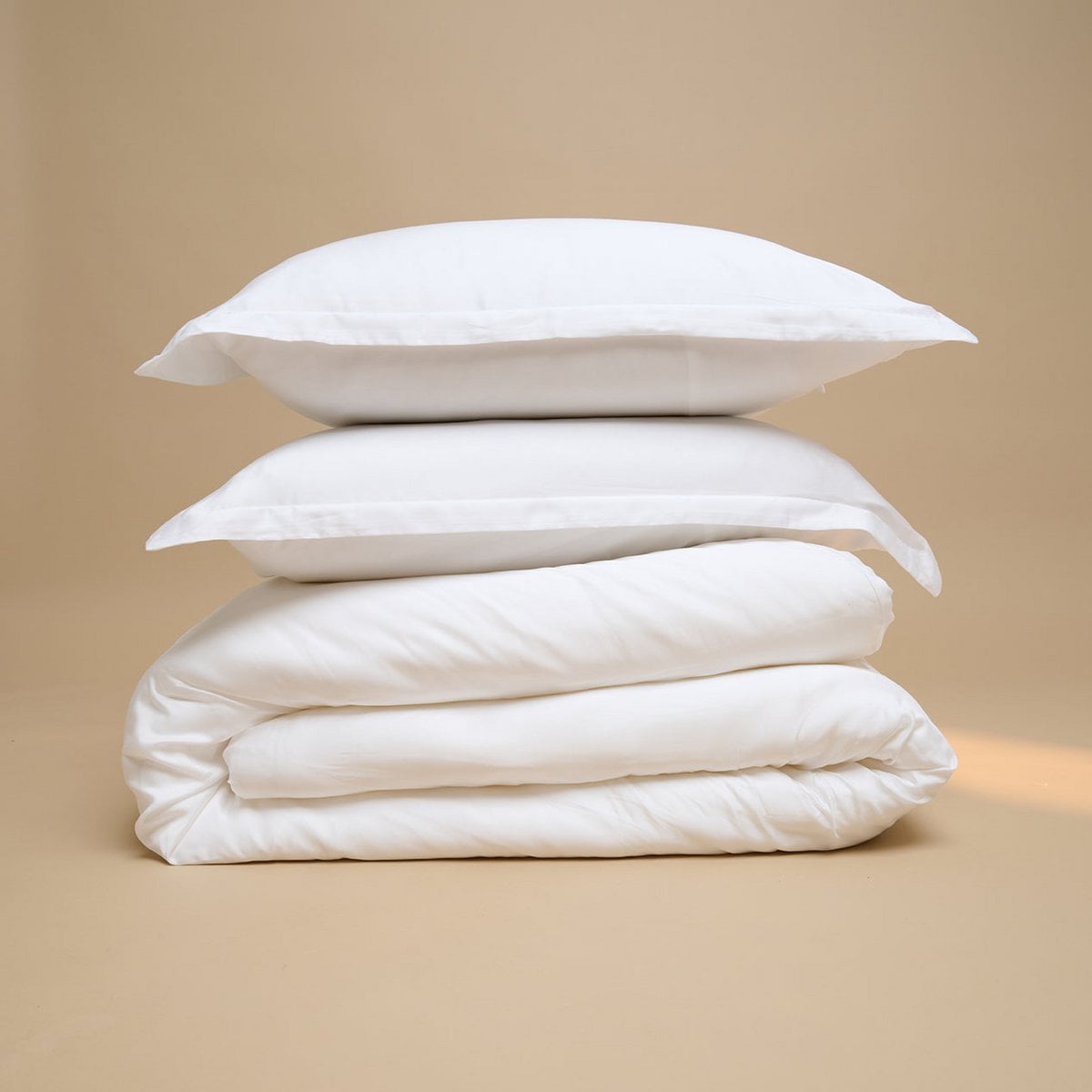
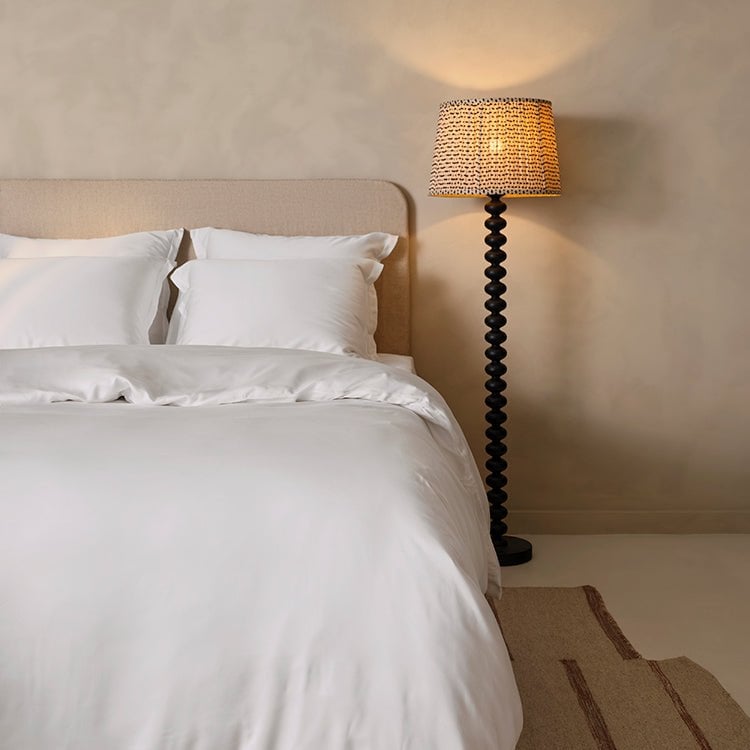
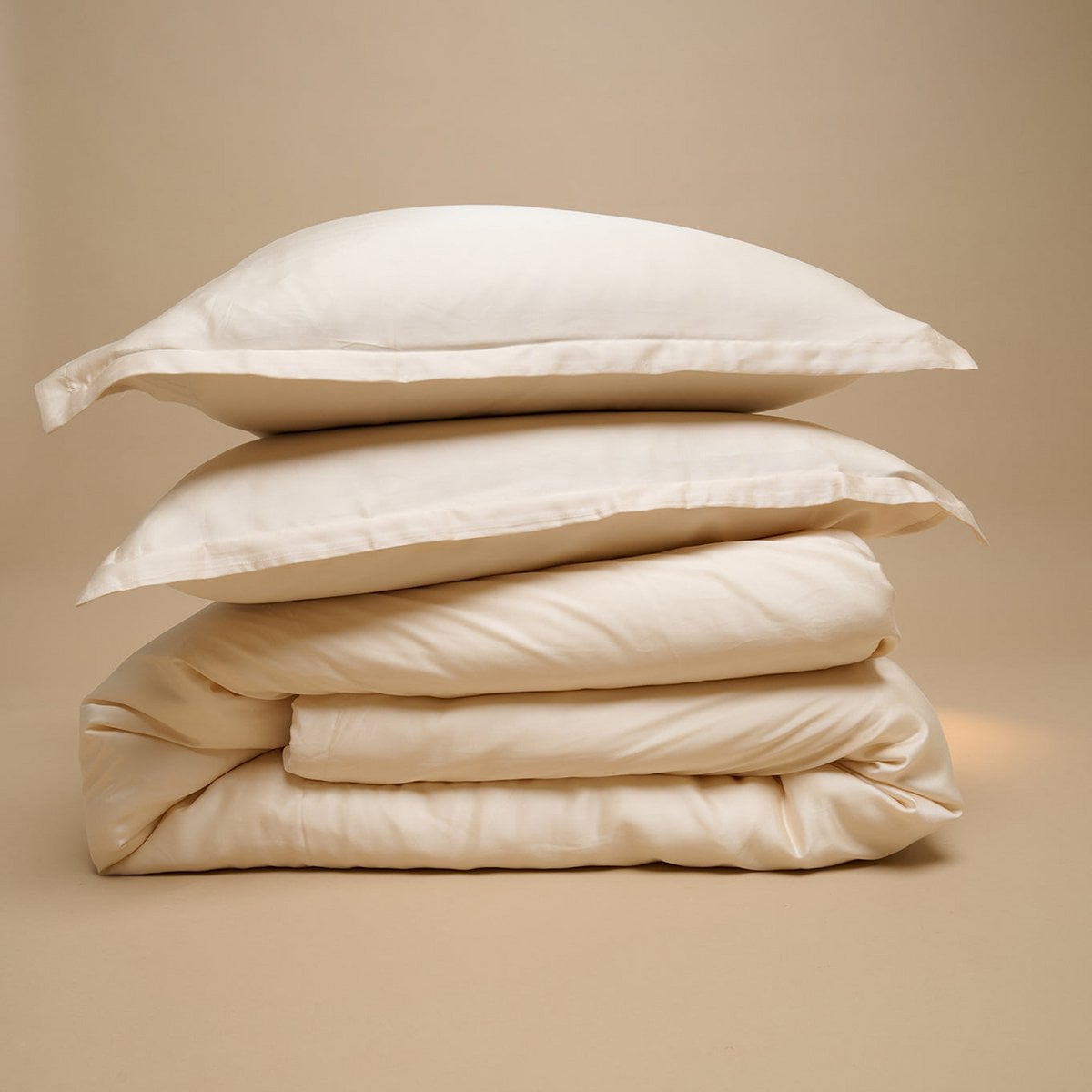

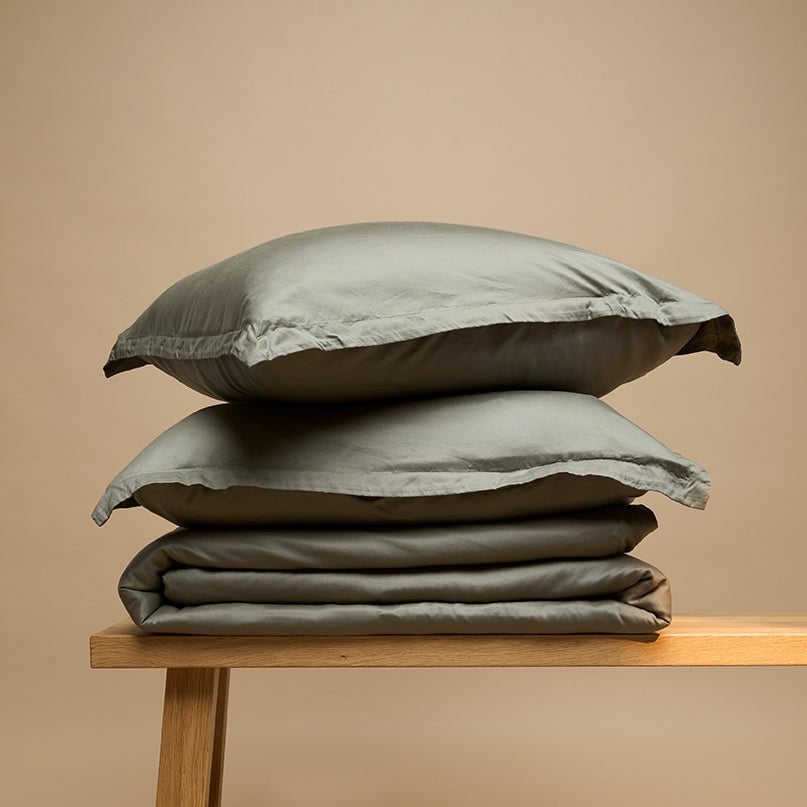
Why Maison de Cocon
- In our Duvets collection, fill material and fill weight are listed on every product page, making it easier to gauge a duvet's expected lifespan in advance.
- Lyocell fibers like Tencel absorb and release moisture, which can affect your sleep environment – a useful point to consider when comparing different fill materials.
- Care instructions are provided for every product, so washing, drying, and storage match the specific filling.
- Our guide to duvet care shows concretely how airing and storage can easily fit into your everyday routine.
Duvets · how to properly air out, fluff, and store your duvet · whether one large duvet or two separate duvets makes more sense for couples



Leave a comment
All comments are moderated before being published.
This site is protected by hCaptcha and the hCaptcha Privacy Policy and Terms of Service apply.